What does "adversarial" mean in a prior art search?
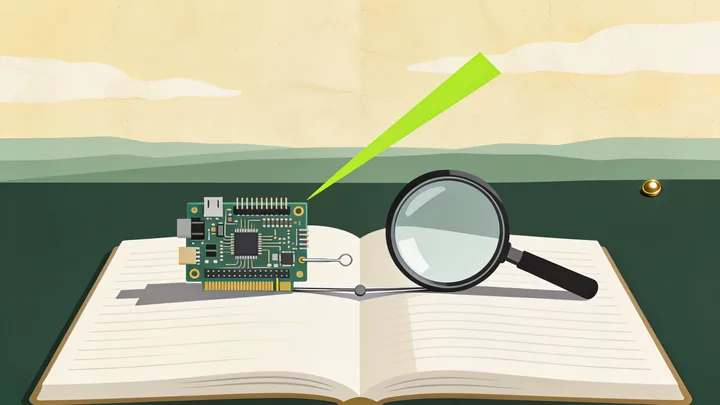
Most people search for prior art, meaning existing patents, products, and public disclosures that resemble their idea, the same way they search for a recipe. They type a hopeful phrase, skim the first page of results, and feel relieved when nothing matches.
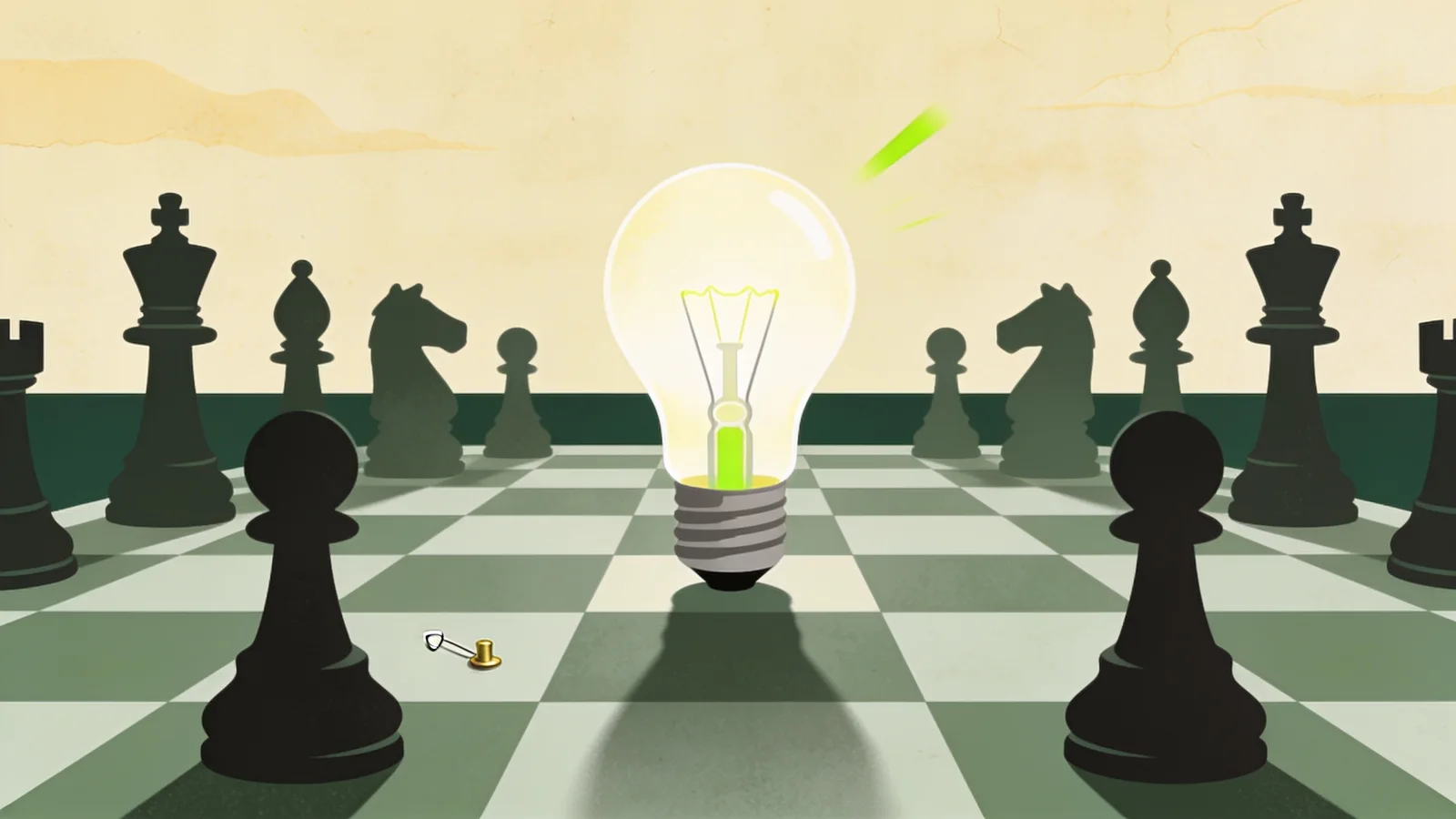
An adversarial search does the opposite. It starts from the assumption that your idea is not new, and then works to prove that assumption right. The AI (or a person using this logic) plays the role of an examiner, a competitor, or an attorney trying to kill your idea, not befriend it.
This matters because a real patent examiner at the U.S. Patent and Trademark Office will not be looking for reasons your idea works. They will be looking for reasons it doesn't. If your own search never asks the hostile question, you are the only one in the room who hasn't.
Why does a friendly search usually miss the prior art that actually matters?
A friendly search tends to use the exact words you'd use to describe your own idea. That's the problem. Inventors describe their idea using their own vocabulary, but patents are written in the vocabulary of patent attorneys, engineers, and examiners, which is often stiffer, more technical, and sometimes decades old.
A folding phone stand might be described in a patent as an "articulating support apparatus for portable electronic devices." If you only search "phone stand," you may never see the patent that already covers your exact mechanism.
A friendly search also stops at the first few results. An adversarial approach keeps digging past the comfortable answer, because the goal isn't to feel good, it's to find the truth before an attorney or examiner does.
How does adversarial logic actually change the search itself?
Instead of one search, an adversarial process runs several, each built to attack the idea from a different angle:
- Reframe the idea in examiner language. The AI translates your plain description into the technical and functional terms a patent classification system would use.
- Search by function, not by name. Rather than searching for the product category, it searches for the underlying mechanism or process, since two very different-looking products can share the same functional core.
- Search adjacent industries. A locking mechanism from medical equipment might already solve the same problem you're trying to solve in outdoor gear. Adversarial logic checks fields you wouldn't naturally think to look in.
- Look for combinations, not just twins. Often no single patent matches your idea exactly, but two or three existing patents combined cover most of it. An examiner is allowed to combine references. Your search should account for that too.
- Argue against your own idea. The last step is explicit: state the strongest case for why this idea is not novel, then see if the evidence actually supports that case or falls apart under scrutiny.
This is the same posture behind adversarial AI for startup validation, just applied specifically to patent and prior art research instead of business viability.
What kind of prior art actually counts against an idea?
A common misconception is that only issued patents count. In reality, prior art can include published patent applications, foreign patents, academic papers, product listings, YouTube demonstrations, trade show materials, and even an old Kickstarter page, if it was made public before your filing date.
This is one reason a narrow search feels safer than it is. Somebody's idea might never have been patented at all, yet it can still count as prior art if it was disclosed publicly. Adversarial search logic treats "nobody patented this" and "nobody ever showed this to the public" as two completely different questions, and checks both.
Can AI actually replace a human's judgment here?
No, and it shouldn't try to. AI is very good at pattern matching across large volumes of technical text, faster than a person scanning databases by hand. What it is not equipped to do is issue a legal verdict on whether your idea qualifies for a patent.
Whether something ultimately may qualify for protection involves legal judgment about obviousness, claim scope, and how prior art references combine, the kind of question a patent attorney would ask after reviewing the specific claims you'd want to protect. An AI-driven adversarial search is meant to surface the evidence and stress-test the idea before that conversation, not to render the final legal call.
This is the honest boundary worth sitting with before you get attached to an idea. For a deeper look at how AI-driven analysis fits into that earlier stage, see how AI patent data analysis fits into validating an invention idea and how an AI tool can check a product's patentability and market fit.
What happens if the adversarial search finds something close?
Finding something close is not automatically bad news. Very few ideas are entirely without neighbors in the patent record. What matters is how close, and where the differences are.
Sometimes the closest prior art covers a different mechanism that happens to solve a similar problem. Sometimes it covers the same mechanism applied to a different use case. Sometimes it genuinely overlaps in a way that should send you back to the drawing board before spending money on filing fees.
An adversarial search is designed to surface these distinctions clearly, so you walk into a conversation with a patent attorney already knowing where the pressure points are, instead of finding out for the first time in a costly office action months later.
How is this different from just searching Google Patents myself?
You can absolutely search Google Patents yourself, and you should, at minimum, as a first pass. The difference with a structured adversarial process is discipline and coverage. It systematically searches across multiple databases, translates your idea into different technical vocabularies, and deliberately looks for reasons to reject it, rather than stopping once it feels reassured.
EntreDash's methodology lays out which databases get searched and how findings are cited, which is worth reading if you want to understand the difference between a casual search and a structured one before you rely on either.
Where should you start if you want to try this on your own idea?
Start by writing down your idea in plain language, then rewrite it using the most technical, least flattering words you can. That rewrite is closer to how an examiner will eventually see it.
From there, a free idea assessment can run a broader version of this adversarial process against your specific concept, checking not just whether something looks similar, but actively trying to argue that it is. It's a useful gut check before you spend money on a formal search or an attorney's time, and it fits naturally alongside the kind of early-stage thinking covered in what lessons independent inventors learn the hard way.
The goal isn't to talk yourself out of your idea. It's to find out what an examiner would find, on your own terms, before it costs you a filing fee to learn it.