The patent is not the paperwork at the end
The common mental model is a straight line: have an idea, build the product, then, near the end, file a patent to protect what you built. In that model the patent is paperwork, a formality bolted on after the real work is done.
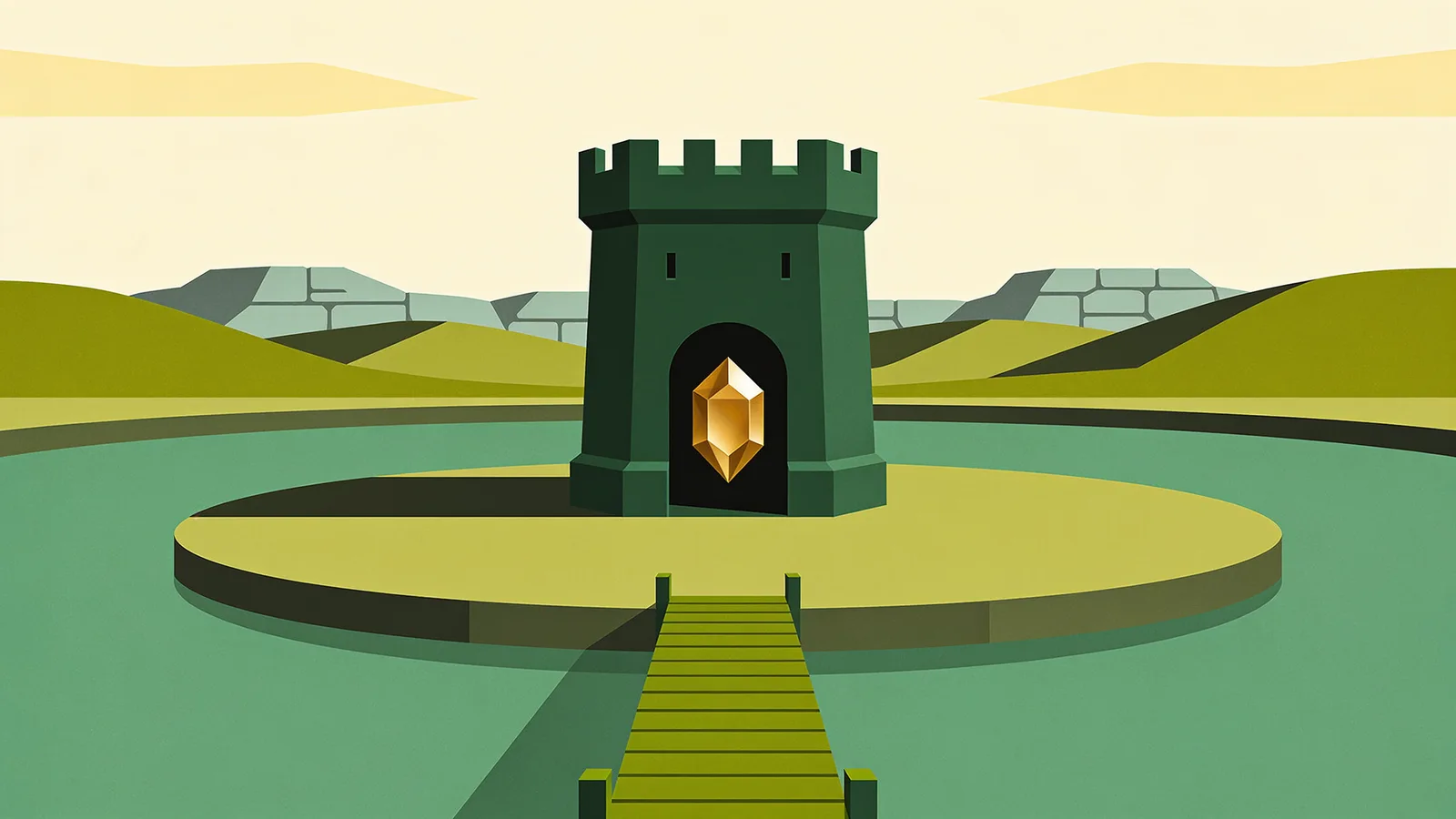
IP-driven development flips the order. It treats the question "what here is genuinely defensible?" as a design input, not a closing step. When you know which part of your invention is novel and protectable, you can build the product so that the thing customers love and the thing you can defend are the same thing. That is a much stronger position than a great product with a moat drawn around its least important corner.
Find the defensible core
Every invention has a core: the specific mechanism, method, or combination that is actually new and non-obvious. Around that core sits a lot of ordinary engineering that anyone could reproduce. The core is your moat. The ordinary parts are not.
The work is to locate the core honestly. That means understanding the prior art, the inventions and products that came before yours, well enough to see where your idea genuinely departs from it. The novel departure is usually narrower than you think and more valuable than you expect, because it is the one thing a competitor cannot simply copy.
Once you can name the core in a sentence, you have something to design around.
Let the moat shape the roadmap
With the defensible core identified, product decisions get sharper.
- Invest your hardest engineering in the core, not the commodity parts. The commodity parts you can buy, outsource, or keep simple.
- Make the core central to how customers experience the product, so the thing they would miss if they left is the thing you can protect.
- Be deliberate about disclosure. The features built on your protectable core are the ones to be careful about revealing before you have filed. The commodity features you can talk about freely.
This is not about making the product worse to fit a patent. It is about making sure your best, most defensible idea is also the product's center of gravity, rather than a clever detail buried where no customer and no competitor cares.
An example of the shift
Imagine a better travel mug whose real novelty is a specific pressure-regulated lid mechanism. IP-blind development spends equal energy on the shell, the color options, and the lid, and files a patent at the end. IP-driven development recognizes the lid mechanism as the core, makes the pressure-regulation the headline benefit customers feel every day, keeps the shell simple and sourced, and protects the mechanism early. Same mug. Completely different defensibility.
Sequence protection with the build
IP-driven development also changes when you protect things. You do not have to file everything at once, and you should not disclose the core publicly before you have. A rough sequence:
- Establish the defensible core early, before heavy public marketing.
- Protect it in a form appropriate to your stage before broad disclosure.
- Build and talk freely about the commodity layers around it.
- Revisit protection as the core evolves, because the invention you ship is rarely identical to the one you first sketched.
The point is that protection and product move together, informing each other, rather than protection arriving as a surprise at the finish line.
Why this makes a stronger business
A product whose most-loved feature is also its most-defensible feature can price on value and survive imitation. A product whose moat sits around a feature customers do not care about will watch competitors copy the parts that matter and route around the patent entirely.
You do not need to be a lawyer to work this way. You need to know, clearly, which part of your idea is the real invention, and then have the discipline to build the product so that part is the heart of it. Find the core first. Design the product around it. The protection and the product become one thing, and that is the whole point.