Do You Need an NDA Before Sharing Your Invention?
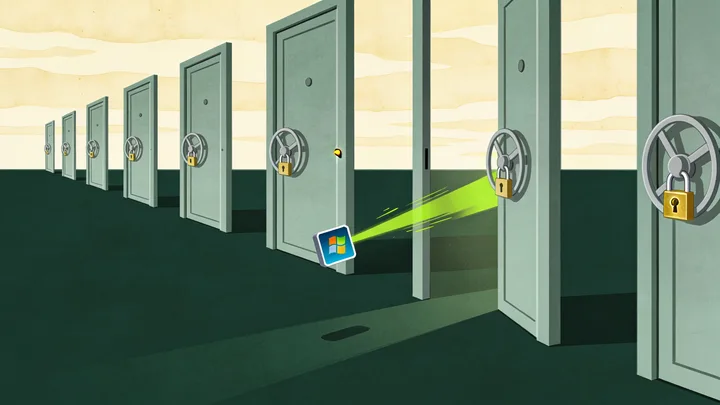
A plain-language look at when a nondisclosure agreement actually protects your invention, when it does nothing, and what to line up before you ever hand your idea to someone else.
Plain-language writing on patents, prior art, and turning everyday ideas into real, protectable inventions. From EntreDash.
A plain-language look at when a nondisclosure agreement actually protects your invention, when it does nothing, and what to line up before you ever hand your idea to someone else.

A plain-language checklist of what to gather, document, and sketch out before your first conversation with a patent attorney, so you spend your consultation time on strategy instead of catch-up.
A practical, honest look at the free and low-cost software inventors use to sketch, model, and search prior art on their own, and where those tools stop being enough.
A practical, order-of-operations checklist for deciding whether an invention idea is worth your time and money before you build anything.
An invention drawing and a patent drawing serve different jobs at different stages, and knowing which one you need now can save you money and time.
A plain comparison of what patent agents and patent attorneys charge, what each one can and can't do for you, and how to decide which one fits your budget and your idea.
The costliest invention mistakes aren't about the idea itself, they're about doing the steps out of order, and the fix is cheaper than most inventors assume.
A plain-spoken breakdown of what invention development and submission companies charge, how their pitches work, and the red flags worth knowing before you sign anything.
A plain-language breakdown of what it actually costs, step by step, to take an invention from idea to market-ready product.
A practical, step-by-step look at moving an invention forward using free tools, sweat equity, and sequencing, before spending a dollar on prototypes or patents.
A realistic look at how long it takes to move an invention from first idea to something an attorney or manufacturer can actually act on.
A practical, cost-conscious walkthrough of how to search global patent and non-patent literature before you spend money on legal filings.
A practical, industry-specific look at what actually proves a healthcare software idea is worth building, who has to say yes, and how to size the market without epidemiology.
A practical, field-specific walk through the evidence, buyers, gates, and market math that actually validate a B2B SaaS idea before you write a line of code.
A good invention drawing shows every view, labels every part, and gives anyone looking at it, from a manufacturer to a patent attorney, enough information to understand how the thing works without asking you a single follow-up question.
A plain explanation of how reference numbers work in patent drawings, why they have to match the written description, and how to use them without hiring anyone yet.
An exploded view drawing pulls your invention's parts apart along an invisible axis so every component, connection, and layer is visible at once.
A practical guide to preparing the drawings, samples, and answers a manufacturer needs before they can quote your invention.
A practical guide to choosing and sequencing sketches, 3D models, and prototype photos so an invention pitch is understood in seconds, not minutes.
A plain-English look at when drawings help a provisional patent application, what kind you actually need, and what happens if you skip them.
Utility patent drawings explain how something works, while design patent drawings show exactly how something looks, and mixing up the two can cost you time and money.
A plain breakdown of what patent draftspeople actually charge per sheet, what drives the price up or down, and where that cost fits into the bigger picture of protecting an idea.
A breakdown of what prototyping an invention really costs at each stage, from a sketch to a working model, and why spending on validation first can save far more later.
A practical walkthrough of turning an idea into a physical, testable 3D printed prototype without wasting money on the wrong process or file format.
A plain-language comparison of STL, OBJ, and GLB file formats to help inventors pick the right one at each stage of turning an idea into a physical or digital prototype.
A breakdown of what patent drawings actually cost, who charges what, and when spending on them makes sense.

A practical look at how a rough sketch becomes a usable 3D model, and why that step matters before you spend money on a prototype or a patent search.
A 3D model can sharpen your thinking and your patent drawings, but it is not the first step and it is not a substitute for checking whether your idea already exists.
A practical, non-technical guide to sketching your invention so the drawings actually communicate the idea and support your next steps.
A plain-language guide to what an invention drawing actually is, when the rules require one, and how a rough sketch fits into validating an idea before you spend money on a draftsman.
A good brief for a patent drafter covers the problem, the specific mechanism that solves it, every variation you can think of, and what you already know about prior art, so the drafter writes claims that match how you actually built the thing.
A patentability dashboard is not a one-time search but an ongoing record that shows how the prior art around your idea shifts as you refine it.
A practical, order-of-operations guide to validating a compounding idea using the evidence, stakeholders, and regulatory gates that actually govern this field.
A practical, evidence-based walkthrough of what actually proves a consumer app idea works, before a single screen gets built.
A practical walk through the evidence, gatekeepers, and market math that actually decide whether a therapeutic idea is worth pursuing, before a single experiment gets funded.
An AI prior art search tool can give an independent product designer a fast, structured first look at what already exists, but it works best as a starting point, not a substitute for a patent attorney's judgment.
An honest look at what an AI tool can and can't tell you about whether your physical product idea might be patentable, before you spend money on an attorney.
A practical guide to validating an idea, building a business model canvas, and avoiding the most common invention mistakes before you spend money on a patent filing.
Patent costs range widely, but the smarter question is what to validate before you spend anything on a filing.
An AI advisory board pairs an early idea with structured, multi-disciplinary feedback on market, IP, and finances before anyone spends money building it.
A look at how a structured, three-advisor strategy session forces a business idea through real scrutiny before money or months get spent building it.
An AI startup coach for business strategy is a structured advisory process that pressure-tests an idea's market fit, defensibility, and finances before you spend money building it.
A look at how running a SaaS business model canvas through structured advisor questioning surfaces the weak assumptions a founder is too close to see.

An AI advisory board gives a founder structured feedback from three distinct perspectives, product, IP, and finance, before any money or code goes into the idea.

A look at how running a business model canvas past three specialized advisors can surface the weak spots a solo founder tends to miss.
A walkthrough of how an AI startup advisory board reviews an idea, stage by stage, from first pitch to a documented verdict on viability, defensibility, and financial grounding.
A look at how a virtual advisory board of specialized AI perspectives can stress-test an invention idea for market, IP, and financial weaknesses before you spend money building it.
An AI advisory board can organize and speed up early prior art screening, but it works best as a first pass before a patent attorney, not a replacement for one.
A practical look at where AI advisory tools genuinely help a first-time founder building a physical product, and where a human expert still has to take over.
AI can help a solo founder prepare sharper interview questions, spot patterns across conversations, and separate real needs from polite feedback, but it cannot replace talking to actual people.
A practical look at how to use AI tools to organize your idea, prior art, and questions before you ever pay for an hour of a patent attorney's time.
An all-in-one idea validation tool checks market demand, prior art, and financial viability in one workflow, so a solo founder gets a clear verdict before spending money on a prototype.
A practical look at the signals, questions, and small steps that turn a nights-and-weekends project into a real business worth building.
AI can pressure-test a product idea across market fit, prior art, and finances before you spend a dollar on building, but it works as a filter and guide, not a shortcut past the real work.
A structured, multi-perspective review can catch the market, IP, and financial gaps a solo founder is too close to see, before money and months go into building.
A step-by-step look at how everyday annoyances become validated business ideas, and where AI genuinely helps versus where it can't replace judgment.
A practical guide to AI product strategy, the business model canvas for inventors, and the validation mistakes that sink good ideas before they ever reach a prototype.
An AI business strategist for startups pairs pattern-matching software with structured advisor roles to pressure-test an idea's market fit, patent risk, and financial logic before you spend money building it.
A plain-language look at what an AI product strategy tool does, what it can't do, and how it fits into the real work of taking an idea from 0 to 1.
AI can structure and pressure-test a startup's strategic plan, from market positioning to prior art to financial projections, but it works best as a fast first pass before human judgment and expert review.
A virtual board of advisors gives a solo founder the same structured, multi-angle scrutiny a funded startup gets from a real board, without the equity, the boardroom, or the wait.
A practical guide to using AI as a thinking partner for sequencing features, testing assumptions, and building a product roadmap you can defend to investors.
Reddit can pressure-test a startup idea with real, unfiltered reactions if you search the right subreddits, ask the right way, and read replies for patterns instead of praise.
A practical guide to stress-testing a startup idea with AI market research and prior art screening before you spend a dollar on prototyping.
Medtech startup idea validation means stress-testing a health or device idea from three angles at once, market, prior art, and financials, before you spend a dollar on building it.
A personal innovation workspace is the structured process and set of tools a solo founder uses to move an idea from a raw thought to a testable, buildable minimum viable product.
A look at what a structured, AI-assisted validation workflow can and cannot tell someone with a life sciences idea before they ever talk to a patent attorney.
A practical look at how to pressure test a medtech startup idea before you spend money, using medtech startup idea validation as the framework and a free AI advisory board as the first step.
EntreDash guides everyday people from a raw idea to a buildable, patentable business, while Preuve gives founders a fast, data-backed reality check on a startup idea they already have.

An honest look at what AI startup idea evaluators can and can't do, and why progressive idea testing is the safer, smarter frame for deciding whether to build your idea.
A practical, step-by-step look at how to test a consumer electronics idea for demand, cost, and originality before spending money on tooling or a patent filing.
A practical, step-by-step way to search for existing patents on a physical product idea before you spend money on prototypes or attorneys.
AI tools can speed up needs discovery and give an early read on product-market fit, but they work best as a structured first pass before real customer conversations and a prior art check.
An adversarial prior art search flips the usual approach by having AI actively try to prove your idea already exists, instead of politely confirming it doesn't.
Paul Graham's advice to founders (build something people want, talk to users, start small) translates surprisingly well to testing a physical invention before you spend money on a patent.
An honest look at what an AI business model validator can and cannot tell you before you spend money building or filing anything.
AI tools can scan patent databases fast enough to show you what already exists, but they answer a narrower question than most people think they do.
An AI tool can surface prior art and market signals fast, but it estimates, it does not decide patentability or guarantee a market.
An honest look at what AI idea-rating tools can and can't tell you before you spend real money or talk to a patent attorney.
A practical, honest look at how an ordinary person can use AI to turn a raw idea into a staged, sequenced product roadmap before ever talking to an attorney.
A look at what AI idea validation tools actually check, what they cannot tell you, and how to use one before you spend money on a patent attorney.
Before you feed your idea into any AI tool or design a product around AI, the data you collect and the data you use to build it both carry privacy risks worth understanding early.
Independent inventors keep repeating the same handful of mistakes, and their stories point to a clearer, calmer path from idea to invention.
A practical, question-by-question walk through what strategic planning actually means for a brand new idea, before you spend money or talk to a lawyer.
IdeaProof is built for fast idea validation and launch materials, while EntreDash is built for people who want to take an idea further into a real, defensible, buildable business.
Adversarial AI for startup validation means using a system designed to argue against your idea, not cheer for it, so you find the weak spots before you spend money building.
A practical, step-by-step way to figure out who would actually buy your physical product before you spend money building it.
An AI advisory board stress-tests a business idea from multiple angles at once, running the kind of hard reasoning session a founder would otherwise pay a room of consultants to conduct.
An adversarial AI advisor is a tool built to argue against your idea on purpose, surfacing the weak points a friendly review would miss before you spend money on a patent or a prototype.
AI red teaming means turning an AI tool against your own business idea to find the weak points before a customer, competitor, or examiner does.
A practical walkthrough of what an entrepreneur dashboard for patent search actually does, and how to use one to check your idea against existing prior art before you spend money on a lawyer.
A proper invention log and IP dashboard timestamps your ideas, tracks prior art findings, and gives you a running record you can hand to an attorney when the moment comes.
An AI startup roadmap tool turns a raw idea into an ordered sequence of steps, but its real value depends on whether it checks originality before it plans a launch.
An AI tool for founder market fit analysis checks whether your idea solves a real problem for a real market before you spend money building it or filing anything.
A practical, honest look at how real startup ideas get found, tested, and separated from ones that just sound good in your head.
Multi-agent AI validation uses several specialized AI processes, each checking a different angle of your idea, instead of one general chatbot giving you a single opinion.
The costliest business mistakes rarely show up in a spreadsheet first; they show up in the assumptions nobody checked before launch.
An AI startup advisor can help hardware inventors move from a rough idea to a structured, prior-art-checked plan faster than working alone, though it is not a substitute for a patent attorney's legal opinion.
A look at how organizing prior art research, patentability signals, and next steps in one place changes the way ordinary people move from idea to invention.
Most feedback on a new idea is politeness in disguise, and learning to spot the difference is the real skill.
An AI business mentor can give a new founder fast, structured feedback on an idea's market, differentiation, and originality, but it works best as a first opinion before real strategy or legal decisions.
An honest look at what AI patent search tools can and cannot tell an inventor before they spend money on an attorney.
A practical, honest look at building a business on the side without quitting your job too soon or burning out.
A practical look at why the annoyances in your own daily life are often the most reliable source of startup ideas, and how to test one honestly before you build anything.
A look at why solo founders lean on advisory boards to stress-test ideas, catch blind spots, and move faster without hiring a co-founder.
Real validation failures follow a handful of repeatable patterns, and spotting them early can save months of wasted building.
Most startup ideas do not fail because the product was bad, they fail because founders skipped the boring validation steps that would have shown the problem early.
A practical way to test whether an idea can grow into a large, fast, fundable business, or is better built as a solid small business instead.
A practical, step-by-step way to research the businesses already circling your idea before you spend a dollar building it.
A virtual AI advisory board gives an early-stage founder structured, multi-angle feedback on strategy before they spend money on lawyers, developers, or manufacturing.
An AI advisory board can pressure-test a software idea's market fit fast and cheaply, but it validates reasoning and evidence gaps, not real-world traction.
A practical, step-by-step way to figure out exactly who your new business is for before you spend money building it.
A practical, step-by-step look at how one person can build a minimum viable product without burning savings, months, or momentum.
Real differentiation comes from a specific, checkable gap in the market rather than a vague sense that your idea feels new.
A practical, ordered sequence for moving an idea from a rough thought to a business you can actually build, without skipping the steps that protect your position.
A practical, honest walkthrough of how to test whether your idea actually solves a real problem before you spend money building it.
An automated startup validation workflow is a structured, repeatable process that checks an idea's originality, feasibility, and market fit before you spend money building it.
A plain walkthrough of how an AI startup advisory board evaluates a new idea, from first description to prior art check to next steps.
A lean startup validation course teaches you how to test a business idea before you spend real money, but the method has limits worth understanding first.
A feasibility study tool checks whether an idea holds up on the market, technical, financial, and originality fronts before you spend real money building it.
Building a patent portfolio alone is less about filing fast and more about sequencing your ideas so each one protects the next.
A commercialization strategy, not just a patent filing, is what actually turns an idea into something people can buy, and it starts with questions most inventors skip.
AI can speed up the first pass of a prior art search, but it changes what you're looking for, not whether the work still needs to be done.
A founder innovation OS is the connected system, not a pile of separate apps, that carries a solo founder from a raw idea to a decision they can defend.
A practical guide to pressure testing a startup idea before you spend money, using an adversarial thinking and hard reasoning AI advisor instead of a tool that only tells you what you want to hear.
An AI business strategist can pressure test your idea, map competitors, and flag risks fast, but it cannot replace human judgment or tell you if your idea is patentable.
A practical framework for founders to make high-stakes decisions in order, using evidence instead of gut feel alone.
An honest look at what an AI startup advisor can and cannot do for someone building alone, and where it fits before you ever talk to a lawyer or investor.
An innovation operating system for solo founders is the single, organized place where an idea gets tested, refined, and tracked, and the right frame for it is an all in one dashboard for entrepreneurs.
Hardware product-market fit works differently than software, and treating your idea like a system instead of a to-do list is what actually gets you there.
A practical guide to the tools that matter when you are building alone, organized around the idea of a founder zero to one workspace.
A practical guide to using an AI advisory board to pressure test a new idea, validate the market, and organize the work before you talk to a patent attorney.
The right prep tools for an engineering invention competition matter less than a clear process for proving your idea is real, novel, and buildable.
A personal innovation management system is the set of habits and tools that turn scattered ideas into a repeatable process for building, protecting, and pursuing them.
A founder mindset is a set of practical habits, treating an idea as testable, decisions as reversible, and evidence as more valuable than certainty, that anyone can build before they ever start a company.
A financial viability assessment tests whether a startup idea can make money before you invest real time or capital in it, using cost, pricing, and demand math rather than gut feeling.
An AI business consultant can help a solo entrepreneur organize research, pressure test assumptions, and move faster, but it cannot replace judgment, prior art review, or a real attorney conversation when the stakes are high.
A step-by-step way to test whether a startup idea deserves your time, money, and legal attention before you build anything.
AI can be a safe and useful part of validating a startup idea, but only if you understand what it's actually checking and what it's guessing at.
A lean innovation process for solo founders means testing your idea in small, cheap, reversible steps before you spend real money on it.
A practical system for triaging, tracking, and sequencing several startup ideas at once, so none of them quietly die from neglect.
A clear, step-by-step roadmap for turning a raw idea into a real business, in the right order, before you spend money you don't need to spend.
AI tools can pressure test a startup idea fast, but they validate different things (demand, market, prior art) and none of them replace talking to real customers or a patent attorney.
The annoyances you complain about every day are often the clearest signal of a product worth building, if you know how to read them.
You can put real protection around a side project long before you talk to a lawyer or file anything, and most of it has nothing to do with a patent.
Before you spend a dollar on a mold or a prototype, you can find out whether real people will pay for your kitchen gadget idea using cheap, fast demand tests.
An honest look at what an AI tool can and can't do when you need to stress test an idea before spending real money on it.
For some inventions, keeping the method quiet works harder than any patent filing ever could.
A plain-language walk-through of what trademarking a product name actually involves when you're doing it alone, without a legal team behind you.
Before you file anything, figure out whether your idea is really a patent question, a trademark question, a trade secret question, or all three at once.
Before you file anything for your kitchen gadget idea, understand what a trademark actually protects and what a trade secret protects, because they are not competing options, they are different tools for different parts of your business.
A practical guide to testing whether people actually want your invention before you spend on tooling, using a simple $50 experiment.
A clear-eyed look at what licensing really involves, long before any contract gets signed.
A practical guide to setting a price for your invention that covers real costs, respects your market, and leaves room to grow.
A practical method for taking a single idea apart, piece by piece, so you understand what you actually built before anyone else weighs in on it.
When your product's shape is part of what makes it recognizable, the choice between a design patent and trade dress protection depends on questions most engineers never think to ask.
Before you spend a dollar on tooling or prototypes, a small, cheap social test can tell you whether anyone actually wants what you're building.
A practical guide to breaking down a raw idea into a real bill of materials, the step that turns a daydream into something you can build and eventually protect.
Before you spend a dollar on prototypes or patents, here is how to find out if your idea solves a problem people will pay to fix.
Before you call an attorney or build anything, there are a few clear-headed steps that turn a persistent idea into something you can actually evaluate.
When your product's edge is a process rather than a physical object, the choice between trademark and trade secret protection shapes everything that comes after.
A landing page can tell you more about whether people want your idea than a prototype ever will, and it costs a weekend, not a semester.
A clear-eyed breakdown of the actual costs behind getting a patent, from the fees nobody mentions to the timeline that catches most inventors off guard.
A provisional patent application buys you a year and a filing date, not a patent, and knowing the difference changes how you should use it.
A clear-eyed look at what a provisional patent application actually costs in 2026, and where the money really goes.
A practical, step-by-step way to search prior art on your own before you ever sit down with a patent attorney.
A practical, step-by-step way to search for prior art before you spend time or money building out an invention idea.
A practical guide walking first-time inventors through what they can legitimately do themselves before hiring a patent attorney, and how to use that early work to make any future legal conversation faster and cheaper.
You have proven the need, the market, and the invention. The last stretch is the hardest to see clearly: turning a validated idea into a business that operates without living inside your head.
A plain-English walkthrough of the novelty, usefulness, non-obviousness, and prior art questions that shape whether an idea may qualify for a patent, designed to help inventors self-assess before spending money on legal help.
Quick iteration is not about building fast for its own sake. It is about designing the smallest possible test that answers your biggest open question, then running it before you commit.
An educational breakdown of what actually happens when you share an idea, how NDAs and provisional filings function, and what habits reduce real risk before an attorney gets involved.
Most inventors treat the patent as paperwork filed after the product is done. IP-driven development flips that: let what is genuinely defensible shape what you build, so the product and the protection are the same thing.
A step-by-step orientation guide that walks a first-time inventor through validating, testing, learning IP language, and preparing an idea for filing without overwhelming them.
A real problem is necessary but not sufficient. Market viability asks the harder questions: how many people, how much they will pay, and whether the numbers add up to a business worth building.
A strategic guide for founders on sequencing patent filings, disclosure, and trade secret decisions around a fundraise so IP strengthens diligence instead of complicating it.
Every idea rests on hidden assumptions. Customer discovery is the practice of turning those assumptions into questions you can actually test, before you build the thing that depends on them.
An educational piece arguing that market-need validation should precede patent spending, with concrete frameworks for testing real demand versus polite interest before talking to an attorney.
Needs discovery is the work of finding out whether a real problem exists before you commit to solving it. A plain-English guide to the first ten conversations that tell you the truth.
Turning a random idea into a real business is really four questions answered in the right order: is the need real, is it yours to claim, can you build it, and can it be a business. Here is the whole path.