What is multi-agent AI for startup validation?
Multi-agent AI validation means splitting the work of checking an idea into separate, specialized passes instead of asking one chatbot for a single opinion. One pass might look at prior art (existing patents, products, and public disclosures that predate your idea). Another might look at market demand. Another might stress-test your business model. Each pass acts like a different advisor with a different job, and the results get combined into one clearer picture.
This matters because a single general-purpose AI answer tends to be agreeable. It tells you your idea is interesting because that is what it is trained to do. A structured, multi-pass approach is built to disagree with you when the evidence says so.
Why does one AI opinion usually fall short?
Ask a general chatbot "is my idea good" and you will almost always get encouragement. It is not lying to you exactly, it is just not built to run a real check. It has not searched patent databases, it has not looked at your specific competitors, and it has no structured way to flag the kind of question a patent attorney would eventually ask.
A single pass also tends to blend concerns together. Whether an idea might qualify for patent protection is a different question from whether people will pay for it, and both are different from whether the business model actually holds up. Mixing all three into one paragraph of feedback usually means none of them get answered well.
How does splitting the work into separate agents change the outcome?
When the check is broken into distinct roles, each one can go deeper. A prior art pass can search patent and product databases specifically for overlap with your idea. A market pass can look at who else is building something similar and whether the space is crowded or empty. A business model pass can pressure-test pricing, cost structure, and who would actually buy it.
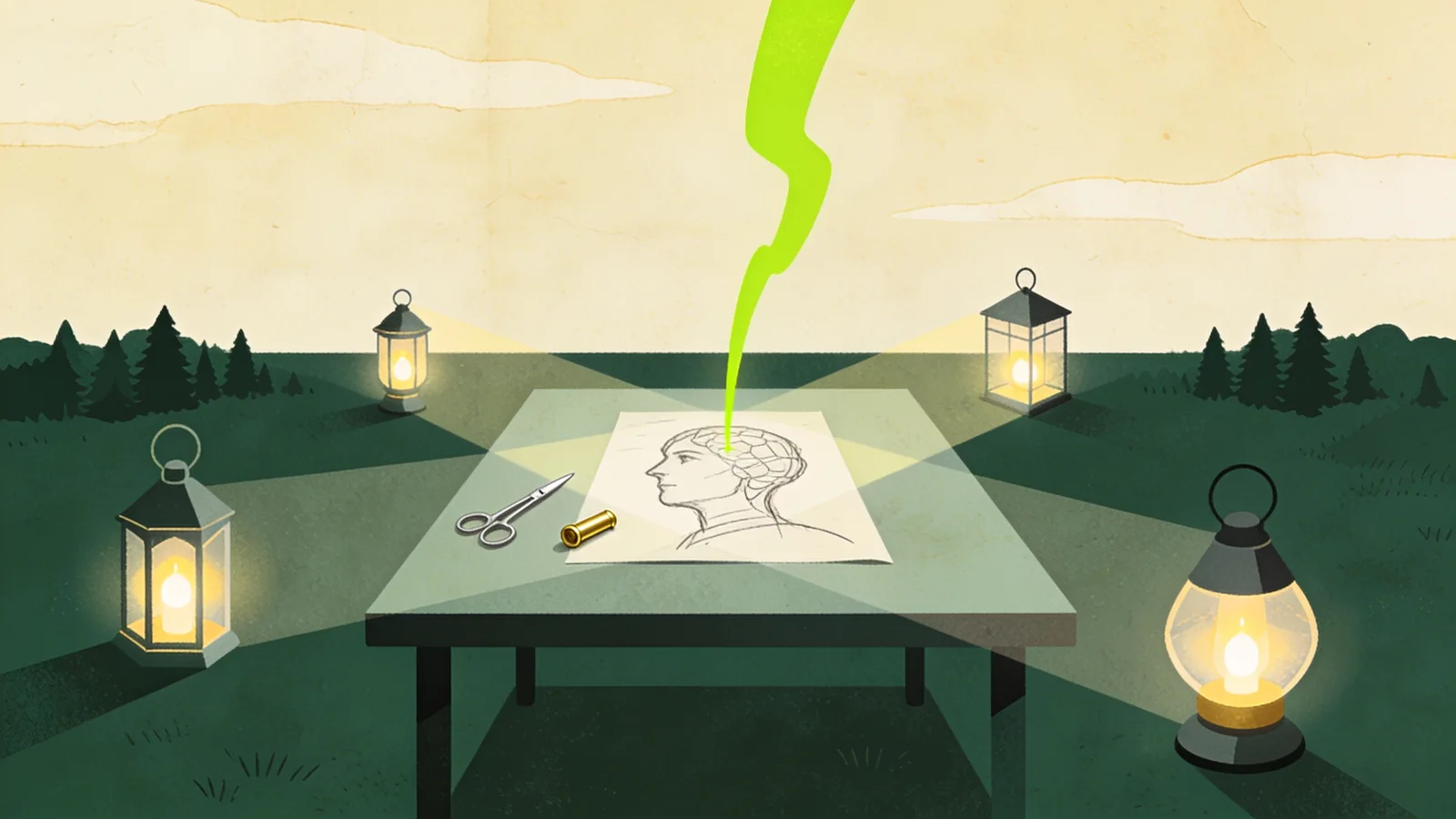
This is closer to how a real advisory conversation works. If you sat down with a patent attorney, a startup mentor, and a market analyst, you would not expect them to give you the same answer in the same tone. You would expect three different lenses. Multi-agent validation tries to recreate that, structurally, instead of asking one generalist to wear three hats at once.
EntreDash's free AI advisory board is built around this idea: a founder brings a spark of an idea, and different parts of the assessment look at different angles before anything gets combined into a single verdict.
What does a good multi-agent validation process actually check?
A well-built process usually covers a few core questions, run somewhat independently:
- Has this idea, or something close to it, already been disclosed publicly or filed as a patent.
- Is there evidence of real demand, or does the idea rest on assumption.
- Who are the existing competitors, and how crowded is this space.
- Does the underlying business model hold together on cost, pricing, and distribution.
- What would need to be true for this to be worth a strategy session with a patent attorney.
Each of these is a distinct discipline. Patent research pulls from technical and legal databases. Market and competitor research pulls from public product and funding data. Business model analysis is closer to financial reasoning. Treating them as one blended task tends to produce shallow answers to all of them. For a deeper look at how competitor analysis specifically should work, see how to analyze competitors for a new startup idea.
How is this different from just asking a chatbot to review my idea?
The difference is structure and sourcing. A general chatbot answer is a single pass of pattern-matched text with no fixed method behind it. A multi-agent process is built around a repeatable method: specific databases get searched, specific categories of risk get checked, and the findings get cited so you can see where a claim came from rather than take it on faith. EntreDash's methodology page lays out which databases get searched for prior art and how findings get cited, which is the kind of transparency a single chatbot reply usually cannot offer.
This also matters for trust. If an AI tool tells you your idea is patentable or is not, that is a claim no honest tool should make outright, since only a patent attorney reviewing your specific case can speak to that with authority. A well-built process will instead tell you what it found, what that tends to mean, and where the open questions are, using language like "may qualify" or "worth examining" rather than a flat yes or no.
What kinds of ideas benefit most from a structured, multi-pass check?
Ideas that involve a physical product, a specific mechanism, or a novel process tend to benefit the most, because there is more to search against. A hardware idea with moving parts or a specific design has real prior art to compare against, unlike a purely conceptual business idea with no technical component. That said, software ideas and even service-based business models benefit from the market and business-model passes, even when there is little formal patent search to run.
Founders working alone also tend to benefit more than teams, simply because they lack a built-in second opinion. If you are the only person who has heard your idea so far, a structured check does some of the work a cofounder or advisory board would otherwise do. That is part of why a startup advisory board matters so much for solo founders: it replaces the disagreement and pressure-testing that a team would naturally provide.
What should happen after the validation check comes back?
A validation check is not the finish line, it is what happens before the real decisions get made. If the prior art pass turns up nothing close, that is one data point in favor of moving forward, not a guarantee of anything. If it turns up something close, that is worth examining carefully rather than treated as an automatic dead end. Many ideas survive a close prior art hit once the specific mechanism or use case is compared in detail, which is exactly the kind of nuance a patent attorney is equipped to weigh in a real strategy session.
The output of a good multi-agent check should point you toward a next step: refine the idea, gather more evidence of demand, or take the findings to an attorney. It is educational and strategic groundwork, not a legal conclusion. For a broader look at how founders separate real signal from wishful thinking at this stage, see why most startup ideas fail validation.
How do I try this on my own idea?
The most practical way to see the difference is to run your own idea through a structured check rather than a single chatbot prompt. EntreDash's how it works page walks through the end-to-end process, and the free IP Education Center is a good place to get familiar with terms like prior art and patentability before you start. If you already have a specific idea in mind, the free AI advisory board is built to give it the same multi-angle treatment described here: prior art, market, and business model, checked separately and then brought together into one honest read.