What actually kills most startup ideas before launch?
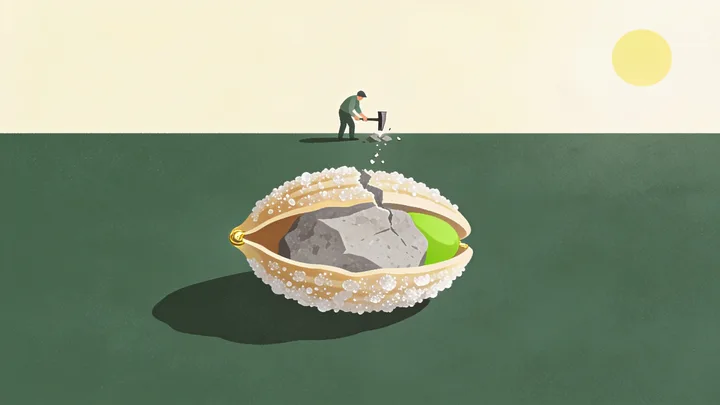
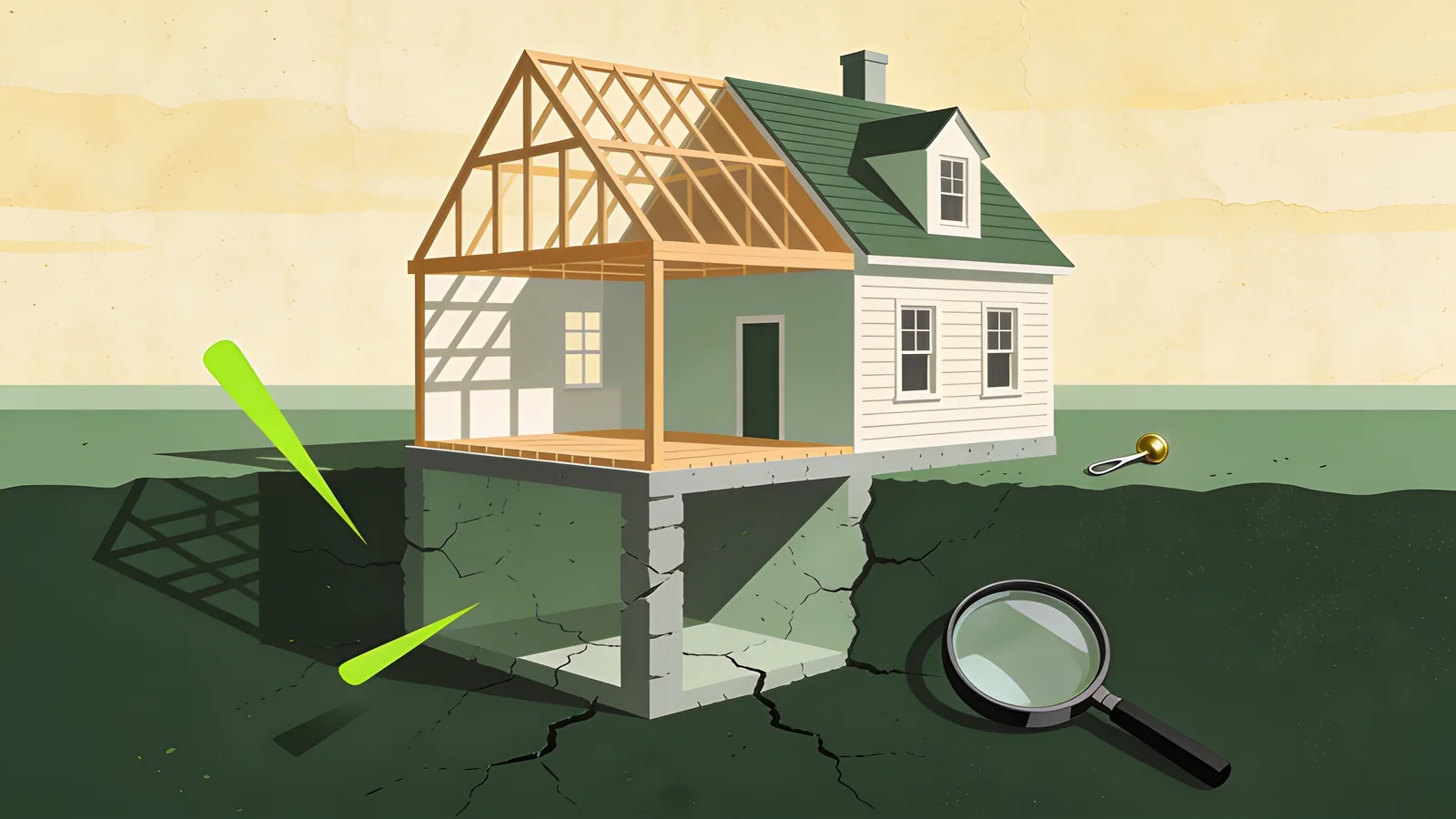
Most ideas do not die from bad execution. They die from skipped validation.
The founder falls in love with the solution before confirming the problem is real, big, or urgent enough for strangers to pay for. They build first and ask questions later, and by the time the questions get asked, months and savings are gone.
A common pattern shows up across failure stories: someone hears "that's a great idea" from friends and family, treats that as market research, and skips the uncomfortable step of testing the idea against people who have no reason to be nice to them. Friends and family are not a market. They are a courtesy.
What is the number one validation mistake founders describe after the fact?
The most repeated mistake, across founder postmortems, interviews, and forum retrospectives, is building a full product before confirming anyone would switch from their current habit or tool.
This is often called problem-solution mismatch. The founder correctly identifies an annoyance, but never confirms it is painful enough that people will change behavior, pay money, or adopt something new to fix it. Plenty of problems are real but mild. Mild problems do not build businesses.
A founder can spend 6 to 12 months building a polished app around a problem that, in a five-minute conversation, ten strangers would have shrugged off. That conversation is cheap. The build is not. This is exactly the gap covered in how to validate problem-solution fit before building anything, and it is worth reading before writing a single line of code or filing a single sketch.
Why do founders skip validation even when they know better?
Three reasons show up again and again in postmortems.
First, validation feels slow next to building, which feels productive. Sketching a landing page and running ads to it for two weeks feels less like progress than shipping code, even though it produces better information.
Second, founders fear that asking too many questions will let someone else "steal" the idea. This fear is usually misplaced. Ideas are common. Execution and specific technical approaches are rare. It is far more common for an idea to die from lack of demand than from theft.
Third, confirmation bias. Founders talk to people who are already inclined to agree, then treat polite enthusiasm as market signal. A neighbor saying "I'd definitely use that" is not the same as a stranger pulling out a credit card.
What do real failure stories have in common?
Across public startup postmortems (blog write-ups founders publish after shutting down), a few threads repeat.
No paying customers before the big build. The team raised money or spent savings before a single stranger paid for even a rough version of the product.
Confused audience. The product tried to serve two very different groups at once (say, consumers and enterprise buyers) and satisfied neither well. Getting specific about who the first real customer is matters more than most founders expect, which is why identifying the target audience for a new startup is usually step one, not step five.
Underestimated competition. The founder believed "no one else does this" without a real search. In many cases, three or four competitors existed, just under different names or in adjacent categories the founder had not thought to search.
No differentiation once competitors were found. Even founders who did discover competitors sometimes launched anyway without a clear answer to "why would someone switch to us," which is the exact question addressed in how to differentiate your startup idea from everyone else's.
How does skipping a competitor search specifically cause failure?
A surprising number of shutdown stories include a version of: "we found out about our biggest competitor from a customer, after launch."
That is a validation failure, not bad luck. A structured competitor search, even a few hours of it, tends to surface direct and adjacent competitors before a founder spends real money. The process for doing this well is laid out in how to analyze competitors for a new startup idea, and it applies whether the idea is a piece of software, a physical product, or a new spin on an old service.
For inventors specifically, this same instinct applies to prior art (earlier patents, products, or public disclosures that resemble the idea). Skipping a prior art check is the inventor's version of skipping a competitor search, and it produces the same kind of late, expensive surprise. Checking whether an invention idea already exists early costs far less than finding out from an attorney six months in.
Does validation failure mean the idea itself was bad?
Not necessarily, and this is where founders often draw the wrong lesson.
A failed validation process usually means the test was wrong, not that the underlying idea had no merit. A founder who talks to the wrong audience, asks leading questions, or skips a step entirely can get a false negative just as easily as a false positive.
The honest verdict (the clear-eyed conclusion a strategy session is meant to produce) on any idea depends on running the right sequence of checks: is the problem real, is the audience specific, does a market already exist, and is there a defensible angle. Skipping any one of those steps makes the whole verdict unreliable, whether it comes out positive or negative.
This is part of why a structured process matters more than gut instinct. A step-by-step blueprint for turning an idea into a business exists precisely because doing these checks out of order, or skipping them, is the pattern behind most of the failure stories worth learning from.
What does a venture-scale check actually catch that a quick gut check misses?
A lot of failed ideas were never trying to be venture-scale businesses, and that mismatch is itself a validation failure. A founder pitching investors on a niche, low-growth idea will get rejected, not because the idea is bad, but because it was never suited to that funding path.
Understanding whether an idea has the size and growth pattern investors look for, versus whether it is a solid small business, changes which validation steps matter and which sources of funding make sense. Checking if a startup idea is venture scale is the kind of question worth answering before pitching anyone, not after a rejection.
How can someone validate an idea without spending months or a lot of money?
The cheapest validation steps are almost always conversational or observational, not technical.
Talking to 10 to 15 strangers who fit the target audience, watching how they currently solve the problem (or don't), and checking whether competitors already exist takes days, not months. A rough landing page with a waitlist or pre-order button, run for a couple of weeks, tells a founder more about real demand than any survey of friends.
For anyone unsure how to structure that process without guessing, an automated startup validation workflow walks through the sequence in order: problem check, audience check, competitor check, differentiation check. Running an idea through a free idea assessment at the start of that process gives an early read before any money gets spent on building.
What is the single habit that separates ideas that survive from ideas that don't?
The founders whose ideas survive tend to treat validation as an ongoing habit, not a one-time gate passed before building. They keep checking assumptions against real people and real competitors as the idea evolves, instead of validating once and then building on faith for a year.
The founders whose ideas end up in postmortem blog posts almost always describe a moment, looking back, where a cheap five-minute check would have caught the problem months earlier. That gap between what was knowable early and what was discovered late is the real lesson in every failure story worth reading.