Who Actually Is Your Target Audience for a New Startup?
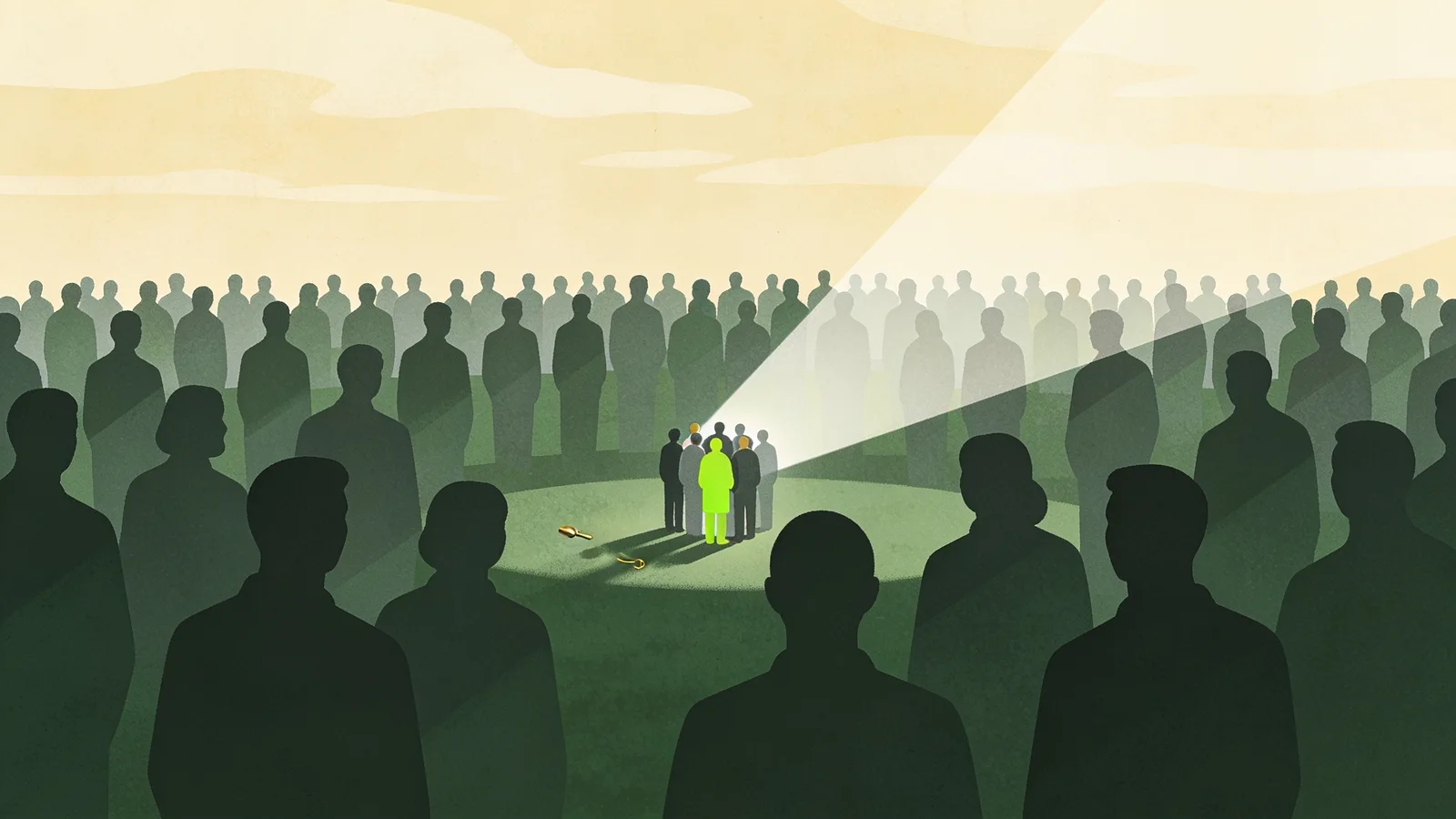
Your target audience is the specific group of people who have the problem your idea solves, feel that problem often enough to want a fix, and have some way to pay for one. Not "everyone who might like this." Not "anyone with a smartphone." A named, describable group you could picture in a room.
Most first-time founders answer this question with a shrug: "anyone who needs it." That answer feels safe because it excludes no one. It also means the idea will struggle to find its first ten real customers, because nothing about the product, the message, or the price points at anyone in particular.
Why Do So Many Founders Skip This Step?
Because naming a narrow audience feels like giving something up. If your app is "for busy parents," it seems like you're leaving out students, retirees, and single professionals. That fear is understandable and almost always backward.
A specific audience isn't a ceiling. It's a starting point. The first version of most successful companies served a narrow group before they served a broad one. Once you've won a specific group, expanding is a business decision. Trying to serve everyone from day one is usually a way of avoiding a decision, not making one.
This fear of narrowing shows up early enough that it's worth reading alongside how to differentiate your startup idea from everyone else's, since audience and differentiation are the same muscle used two different ways.
How Do You Narrow a Broad Idea Into a Specific Audience?
Start with the problem, not the product. Ask who feels this problem the most, not who could theoretically use your solution.
A useful way to do this is to write three to five possible audience descriptions for your idea, each one specific enough to picture:
- Not "pet owners," but "owners of a dog under one year old in a first-floor apartment with no yard."
- Not "small business owners," but "solo hair stylists who rent a chair and do their own booking."
Then rank those descriptions by two things: how painful the problem is for them, and how easy they are to actually find and talk to. A group with a burning problem you can't reach isn't much use yet. A group you can reach easily but who barely notice the problem isn't either.
What questions help you narrow the audience?
A short set of questions tends to do most of the work:
- Who deals with this problem weekly, not once a year?
- Who has tried to solve it already, even with a clumsy workaround?
- Who has budget or authority to pay for a fix?
- Where do these people already gather, online or in person?
- What do they call this problem in their own words?
That last question matters more than it looks. If you can't write down the problem the way a real person would say it out loud, you probably haven't talked to enough of them yet.
How Do You Know If You've Found the Right Audience?
You'll know less by theory and more by conversation. The test isn't whether people say "that's a good idea." It's whether they can describe the problem back to you before you finish explaining it, and whether they've already tried something to solve it themselves, even a bad workaround.
This is the same logic behind validating problem-solution fit before you build anything. If you haven't gone through that exercise yet, it's worth reading how to validate problem solution fit before building anything, because audience identification and problem validation happen in the same conversations, often in the same week.
What does a real conversation with a potential customer look like?
It looks less like a pitch and more like an interview. You ask about their day, their frustrations, and how they currently deal with the problem, before you mention your idea at all. Five to ten conversations like this, with people who fit your narrowed description, usually tell you more than a survey sent to five hundred strangers.
Watch for the difference between polite interest and real urgency. "That sounds useful" is polite. "I've been looking for something like this for months" is real.
How Is Identifying an Audience Different From Identifying a Market?
A market is the size and shape of an opportunity, usually described in dollars and growth rates. An audience is a specific set of people inside that market who you will talk to, design for, and sell to first.
You can have a large market and still fail because you never picked a specific audience within it. A big market number can feel reassuring on a slide, but it doesn't tell you who to call this week. Audience does.
This distinction matters early, before you've written a business plan or built anything. If you're mapping out the fuller sequence from idea to business, the step-by-step blueprint for turning an idea into a business places audience identification near the very start, ahead of pricing, ahead of the build, ahead of any legal or protective steps.
What Happens If You Get the Audience Wrong?
You build for the wrong problem, price for the wrong wallet, and market in language nobody recognizes. None of this shows up immediately. It shows up weeks or months later, as confused feedback, low conversion, or silence where you expected interest.
The good news is that this is a correctable mistake, not a fatal one. Founders narrow, re-narrow, and sometimes pivot to a different audience entirely once they learn who actually responds. The expensive version of this mistake is building the full product first and discovering the mismatch after spending months and money on development. That's a strong argument for keeping the first build small, which is the whole idea behind the best MVP development strategy for a solo founder.
How Does This Connect to Protecting the Idea Itself?
Audience clarity does more than guide marketing. It shapes how an idea gets described in the first place, and description matters if you ever want to understand whether some part of your idea may qualify for protection.
A vague idea aimed at "everyone" is hard to describe precisely, and precision is exactly what matters when you're trying to understand what's already out there. That search through existing patents, products, and publications is called a prior art search, meaning a look at everything publicly known before you, to see what's already been tried or protected. A tightly defined audience often reveals a tightly defined problem, and a tightly defined problem is much easier to run through that kind of search than a broad, fuzzy pitch.
This is one reason it helps to separate the business question (who is this for) from the legal question (does any part of this qualify for protection) early, rather than mixing them. EntreDash's free idea assessment walks through both angles on a raw idea, and the IP Education Center has plainer background on how prior art searches work if you want to understand that piece before you go further.
What's the Next Step After You've Named Your Audience?
Write the audience description down in one sentence, the way you'd describe a real person, not a demographic slice. Then go find five of them and ask about their day before you mention your idea.
Everything after that, pricing, messaging, the first version of the product, and any question about protecting what's genuinely new about your approach, gets easier once you know exactly who you're building for. That clarity is the quiet advantage almost nobody talks about, and it costs nothing but a handful of honest conversations.