What Is a Startup Idea Feasibility Study Tool?
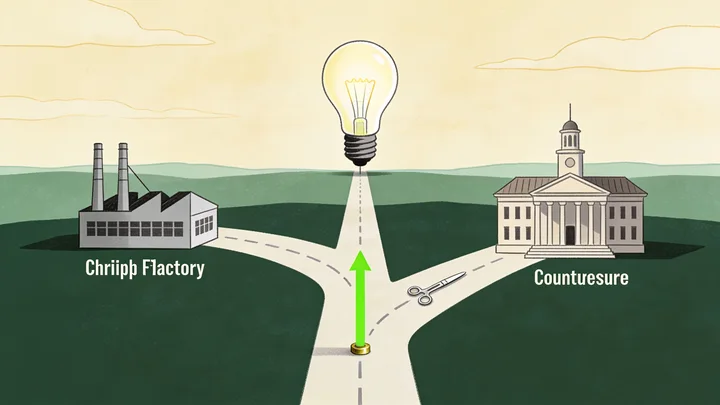
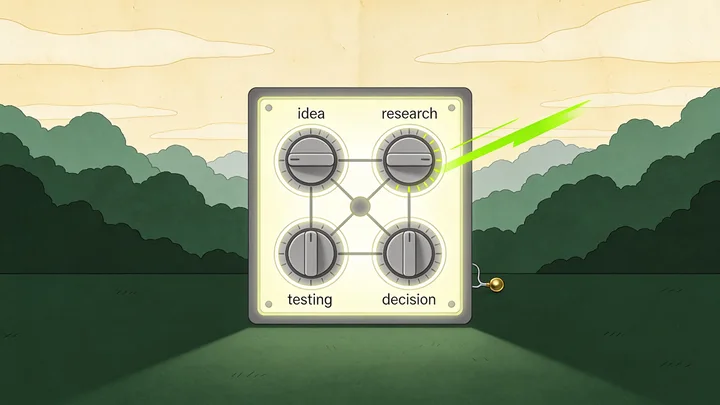
A startup idea feasibility study tool is a structured way to test whether an idea is worth building before you spend money, time, or credibility on it. It looks at four things: whether people would actually want it, whether it can be built with reasonable resources, whether the numbers could work, and whether something similar already exists. The result is not a yes or no verdict on success. It is a clear-eyed map of the risks, so you decide with open eyes instead of blind hope.
Most people skip this step. They go from idea to prototype to pitch deck without ever stopping to ask the boring, necessary question: does this actually hold together? A feasibility study is that pause. It is unglamorous, and it is the difference between building something real and building something expensive.
Why Feasibility Comes Before Everything Else
Every idea feels obvious to the person who had it. That is the trap. The shower, the commute, the 2am moment when the idea clicks, all of it feels like proof. But feeling certain and being right are different things, and the gap between them is exactly what a feasibility study measures.
Think about the order of operations most people get wrong. They talk to a patent attorney before they know if the idea makes business sense. They build a prototype before checking if anyone already sells the same thing. They quit a job before running the numbers. A feasibility study puts things back in order: idea, then reality check, then commitment. If you want a deeper look at why this sequencing matters so much, IP Commercialization Strategy for Inventors: What Comes Before a Patent walks through what should happen before you ever sit down with a lawyer.
The Four Pillars of a Real Feasibility Study
1. Market Feasibility
Does anyone want this, and would they pay for it? This pillar asks who the buyer is, how big that group is, and what they currently do instead of your solution. A common mistake is confusing "nobody does this" with "nobody wants this." Sometimes a gap in the market exists because it is a bad market, not because it is untapped.
2. Technical Feasibility
Can this actually be built, and by whom? This is especially important for physical products. A tool with a strong technical feasibility check will flag whether you need specialized manufacturing, unusual materials, or engineering expertise you do not have yet. If your idea is a physical product, Product-Market Fit for Hardware Startups: A Practical Guide covers the specific traps that trip up hardware founders before software founders even notice them.
3. Financial Feasibility
What would it cost to build, launch, and sustain this, and where does the revenue come from? This is the pillar most people rush through because it involves numbers, and numbers feel like they can wait. They cannot. A rough financial model, even a simple one, tells you whether the idea is a business or a hobby with better branding. For a step by step approach, see How to Do a Startup Idea Financial Viability Assessment Before You Spend a Dime.
4. Originality and Prior Art
Has someone already done this, filed it, or sold it? This is where "prior art," meaning any existing evidence that an idea or something like it already exists (a product, a patent, a published article, even an old forum post), comes into the picture. Checking for prior art early does not tell you whether your idea may qualify for a patent. It tells you whether you are stepping into a crowded space or a genuinely open one, which changes how you position and build the thing. Using AI for Prior Art Search: What It Can and Can't Do is worth reading before you assume a quick search settles the question.
What a Good Feasibility Tool Actually Does
A feasibility study tool worth using should do three things well.
First, it should ask you hard questions in plain language, not jargon. If a tool cannot explain why it is asking about your customer acquisition cost, it is not helping you, it is just collecting data.
Second, it should surface prior art and competitive context, not just market size guesses. Knowing that three other companies tried and failed at something similar is more useful than a market size number pulled from a generic report.
Third, it should give you something you can act on: a list of risks ranked by how much they threaten the idea, and a rough sense of what to fix first. A feasibility study that just tells you "this seems promising" without specifics is not a study, it is a compliment.
This is close to what a pressure test tool does, and the overlap is intentional. Feasibility and pressure testing both exist to find the weak points in an idea before the market finds them for you.
Common Mistakes People Make When Checking Feasibility
Only checking the part they feel confident about. A first-time founder with a strong technical background will happily spend a week validating the engineering and five minutes on the market. A marketer will do the opposite. Feasibility only works if you cover all four pillars, especially the one you would rather skip.
Treating a feasibility study as a one-time event. Ideas change as you learn more. A feasibility check done at the idea stage should be revisited once you have a working prototype or your first real customer conversations, because the answers shift.
Assuming a clean feasibility study means clear sailing. A feasibility study reduces uncertainty. It does not eliminate risk, and it is not a legal opinion on anything, including whether your idea may qualify for a patent. That question involves its own analysis and belongs in a conversation with a patent attorney, informed by the groundwork you have already done.
How This Fits Into the Bigger Picture
A feasibility study is one piece of a larger process that takes an idea from a passing thought to something buildable. If you are trying to understand how all the pieces (feasibility, prior art, protection strategy, go to market) fit together, What Is an Innovation Operating System for Solo Founders? lays out the whole sequence rather than one slice of it.
And if you are working through this entirely on your own, without a co-founder or team to argue with, that isolation is its own risk. The Founder Innovation OS: A Practical Guide for Solo Founders Building Alone speaks directly to what that looks like and how to build in the checks a team would normally provide for you.
What To Do With the Results
Once you have a feasibility study in hand, whether it comes from a structured tool or a series of honest conversations with people who know the space, you are looking at one of three outcomes.
The idea holds up across all four pillars. Good. That is the signal to move toward building a prototype, refining your positioning, and starting to think seriously about protection strategy.
The idea has one or two soft spots but nothing fatal. This is the most common result. It usually means a pivot in positioning, target customer, or business model, not a scrapped idea.
The idea has a fundamental problem, like no viable customer or a saturated, well-defended market. This is the hardest outcome to hear and the most valuable one to get early, because it costs you a feasibility study instead of a year of your life.
Where EntreDash Fits
A feasibility study works best when it happens early and honestly, before money is spent and before an attorney's clock starts running. EntreDash's free AI advisory board is built for exactly that moment: you bring the idea, and it walks through market signal, technical realism, financial rough edges, and a first pass at prior art, all before you owe anyone a retainer.
If you want to see the full arc, from the first gut check to the questions a patent attorney would eventually ask, how it works lays out each stage plainly. And if you are curious about the databases behind the prior art side of things, methodology explains exactly what gets searched and how findings get cited, so you are never taking anyone's word for it.
The idea in your head might be worth building. It might need a rework. Either way, a real feasibility study, not a gut feeling, is how you find out. Starting a free strategy session costs you nothing but the time to answer some honest questions, and it beats finding out the hard way, six months and several thousand dollars later, that the market was never there.