How much does an invention prototype cost?
Most simple physical products cost somewhere between $200 and $5,000 to prototype, depending on the material, the complexity of the mechanism, and whether you build it yourself or hire someone. A basic 3D-printed proof-of-concept can land under $500. A working prototype with electronics, custom molds, or multiple moving parts can run $3,000 to $15,000 or more. There is no single number, because "prototype" covers a wide range of stages, and each stage has its own cost.
What are the different stages of a prototype, and what does each one cost?
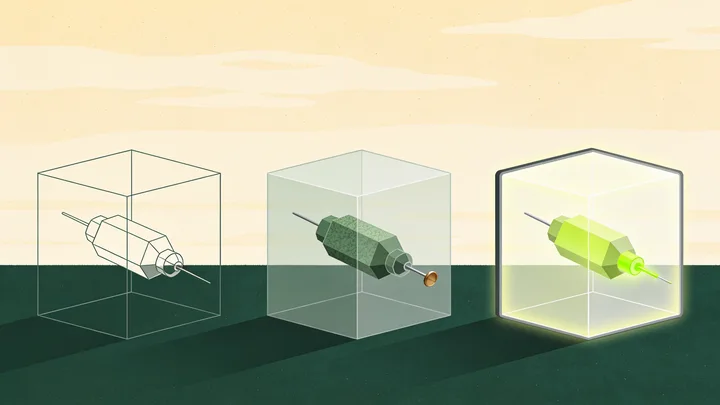
A prototype is not one thing. It usually moves through three rough stages, and the cost climbs at each one.
Proof-of-concept model. This is the cheapest stage: a rough, often non-functional version that shows the shape and basic idea. If you build it with cardboard, foam, or a home 3D printer, you might spend $0 to $200, mostly in materials.
Functional prototype. This version actually works, at least in a limited way. It tests the mechanism, not the finish. Costs here typically run $500 to $5,000, depending on whether it needs custom parts, a machinist, or electronics.
Pre-production prototype. This is close to what you would manufacture, built with production-intended materials and often multiple iterations. Costs commonly range from $5,000 to $25,000, and can go higher for products with injection-molded parts, PCBs, or regulatory testing needs.
Most inventors do not need to jump straight to the third stage. In fact, jumping there too early is one of the most common and expensive mistakes in the 0-to-1 journey.
Do I even need a physical prototype before I do anything else?
No, and this is worth sitting with for a moment. A physical prototype answers one question: does this thing work the way you imagine it? It does not answer whether anyone wants it, whether it is legally defensible, or whether the numbers hold up as a business.
Before spending money on materials, machining, or a fabricator, it is worth working through the questions a physical build cannot answer: is there a real market for this, does the mechanism resemble something already patented, and does the cost to make and sell it leave room for a profit. These are the same three lenses EntreDash's advisors work through, a Product Strategist, an IP Consultant, and a Financial Analyst, before anyone touches a prototype budget.
If a 3D model would help you think through the mechanism before you spend on materials, this piece on turning a sketch into a 3D model walks through that step, and this one looks at whether you need one at all before doing anything else.
What actually drives the price up or down?
A handful of variables explain most of the swing between a $50 prototype and a $15,000 one.
- Material. Cardboard and foam cost almost nothing. Machined aluminum or custom-molded plastic costs far more, both in material and in the labor to shape it.
- Number of iterations. Almost no invention gets it right on the first build. Budgeting for two to four rounds of revision is realistic, and each round adds cost.
- Electronics and moving parts. A static object is cheap to prototype. Anything with a sensor, motor, or circuit board adds design time and part costs on top of the build itself.
- Who builds it. Doing it yourself with a home 3D printer or basic tools keeps costs near materials-only. Hiring a freelance industrial designer or fabrication shop adds labor, often $50 to $150 an hour.
- Tolerances and finish. A prototype meant to prove a mechanism can be rough. A prototype meant to show investors or retailers needs to look and feel closer to the finished product, which costs more.
Should I build a prototype before or after checking for prior art?
Before spending on materials or a fabricator, it is worth checking whether something similar already exists as patented or published work, a search referred to as a prior art search (prior art means any existing patent, product, or publication that shows the idea, or something close to it, already exists). This does not tell you whether your idea is or is not patentable, that determination belongs to a patent attorney, but it does tell you whether the space is crowded, and it can reshape what you actually build.
If a mechanism you were about to prototype turns out to closely resemble something already on file, that is worth knowing before you cut material, not after. EntreDash's free idea assessment runs this kind of check early, alongside the market and financial view, so a prototype budget goes toward a design that has already survived a first pass of scrutiny. The methodology page explains which databases get searched and how findings are cited.
How much do the drawings and models around a prototype cost?
A physical prototype is not the only thing that costs money in this stage. Most inventors also need drawings, either to guide a fabricator or to support a future patent filing.
Patent-style drawings, the kind that meet formal filing requirements, run differently in cost than a rough sketch a machinist can work from. This breakdown of patent drawing costs covers typical pricing, and this article looks at whether a formal drawing is even necessary before filing. If you are choosing a file format for a 3D model to hand to a printer or fabricator, this comparison of STL, OBJ, and GLB explains the practical differences.
Is it cheaper to build the prototype myself?
Often yes, in raw dollars. A home 3D printer, basic hand tools, and free CAD software can get a rough functional prototype built for under $200 in materials. What that route costs instead is time, and sometimes accuracy: without design experience, early builds tend to need more revisions.
The honest tradeoff is this: self-building is cheaper per prototype but often takes longer to reach something that actually works. Hiring help is faster and more accurate but front-loads the cost. Neither choice is wrong. The mistake is choosing either one before knowing whether the underlying idea is worth building at all.
What is a reasonable total budget to plan for?
As a rough range for a simple physical consumer product, plan on:
- $0 to $300 for a rough proof-of-concept model
- $500 to $5,000 for a working functional prototype
- $5,000 to $25,000+ for a pre-production version close to what you would manufacture
Products with electronics, medical or safety requirements, or custom tooling can push past these ranges. The point of the ranges is not precision, it is perspective: a prototype is a real expense, and it deserves the same scrutiny you would give any other investment.
Where does prototype spending fit into the bigger picture?
A prototype is one line item in a longer process that also includes validating the market, checking prior art, drafting a business case, and running financial projections. Spending on a prototype before touching any of the others is a common way inventors run through savings on a product that turns out to have a crowded IP landscape or no real buyer.
Running the idea through a structured assessment first, the kind that puts it in front of a Product Strategist, an IP Consultant, and a Financial Analyst, is a cheaper and faster way to find out if the prototype budget is even worth spending. EntreDash's how it works page walks through that sequence end to end, and the plans page lays out what a full strategy session costs compared to a single prototype iteration.
What's the honest bottom line on prototype cost?
There is no fixed price for an invention prototype, but there is a fixed order of operations that keeps the eventual price reasonable: validate the idea, check the landscape it would compete in, model the numbers, and only then decide how much prototype fidelity you actually need. Spending $150 on a rough model to test a mechanism is smart. Spending $8,000 on a polished pre-production unit before knowing if anyone wants it, or whether the mechanism resembles something already patented, is the mistake worth avoiding.