The idea is the easy part
Most people start with a solution. You picture the thing, you name it, you can already see it on a shelf. That picture is exciting, and it is also the part most likely to fool you. An idea feels real long before anyone has told you they need it.
Needs discovery is the quiet work that comes first. Before you decide what to build, you find out whether a real problem exists, whose problem it is, and how much it actually hurts. It is unglamorous, it costs almost nothing, and it is the single best predictor of whether the thing you build will matter.
What a real need looks like
A real need has three properties, and you can hear all three in how people talk about it.
- It is frequent or painful enough that people already do something about it. They have a workaround, a hack, a spreadsheet, a habit they are a little embarrassed by.
- It is specific to a group you can name. "Everyone" is not a market. "Home bakers who sell on weekends" is.
- It costs them something today: time, money, stress, or risk. If the current situation costs nothing, your solution saves nothing.
When you find a problem with all three, you have something worth solving. When you cannot find them, no amount of clever engineering will supply them later.
The first ten conversations
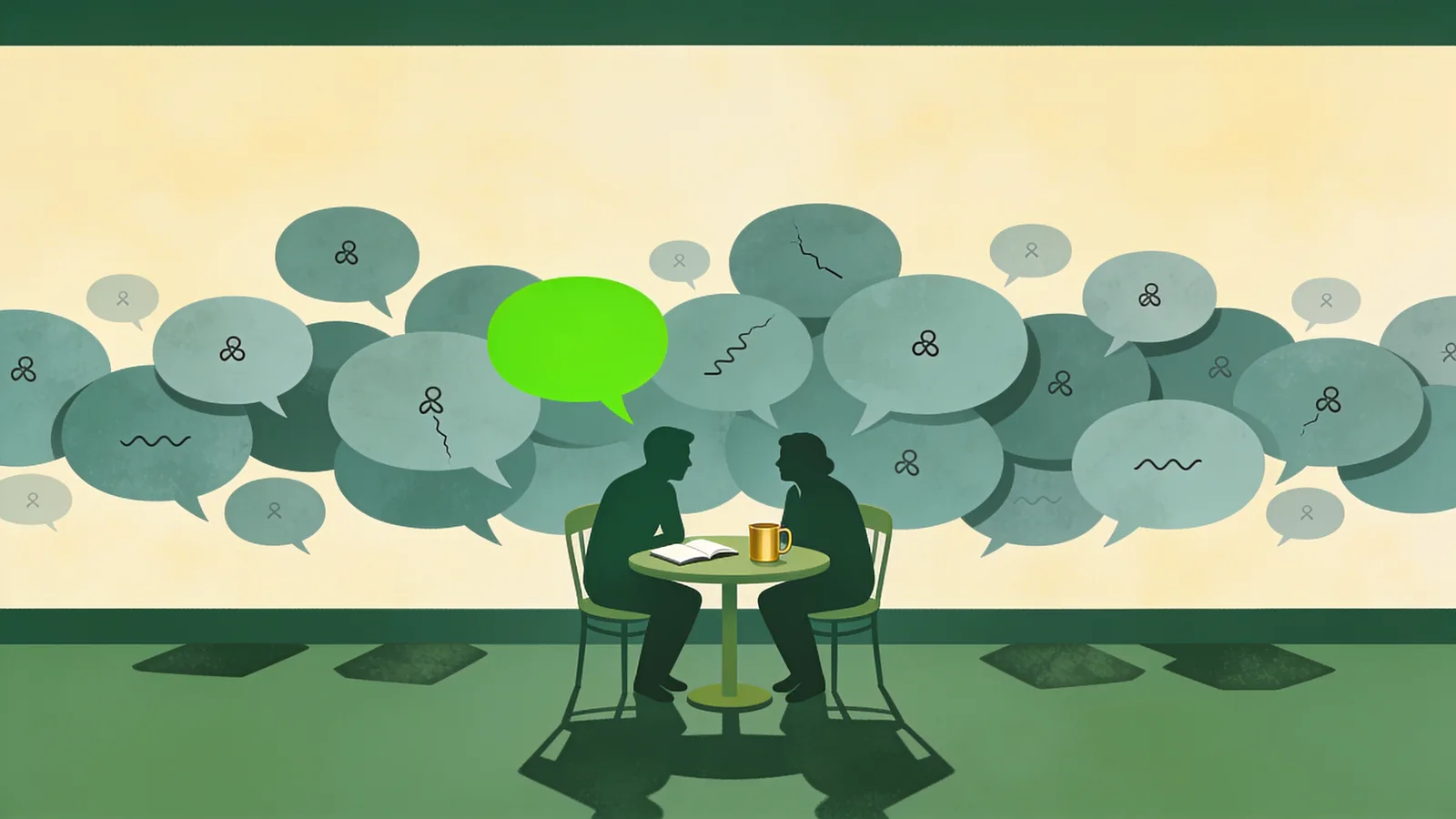
Ten is not a magic number, but it is enough to notice a pattern and few enough that you can do it in a week. The goal of these conversations is not to describe your idea. It is to learn how people live with the problem right now.
Start with people who already have the problem, not people who like you. Friends and family are the worst first audience, because they will protect your feelings. Find the group you named and talk to them.
Ask about the past, not the future
The most useful questions point backward at real events, because memory is more honest than imagination.
- "When was the last time this happened to you?"
- "Walk me through what you did about it."
- "What did that cost you, in time or money or frustration?"
- "What have you already tried, and why did you stop?"
Notice what these have in common: none of them mention your idea. You are collecting evidence about the problem, not fishing for approval of your solution.
Avoid the questions that only produce flattery
"Would you use this?" and "Does this sound like a good idea?" feel like research, but they mostly produce polite yeses. People are generous with hypothetical enthusiasm and stingy with real behavior. Trust what people have already done over what they say they might do.
Reading the signal
After ten conversations, you are listening for a pattern, not a verdict from any single person. Strong signal sounds like: several people describing the same workaround, unprompted frustration, or the question "wait, does something like that exist?" Weak signal sounds like: mild interest, "that's neat," and no memory of the problem actually costing them anything.
If the need is real, you will feel it in the repetition. The same story keeps coming back in different words. If it is not, the conversations will be pleasant and empty, and that emptiness is itself a gift, because you learned it in a week instead of a year.
Where this fits
Needs discovery does not replace the later work of checking whether your solution is new and protectable. It comes before it. There is no point searching prior art or talking to a patent attorney about a solution to a problem nobody has. Confirm the need first. Then, when you go looking at whether your specific solution is novel, you are protecting something with a pulse.
This is the first move in the whole arc from a spark to a business, and it is the one people are most tempted to skip. Do not skip it. The idea will wait. The truth is cheaper to find than you think.