What Can an AI Business Strategist Actually Do for a New Founder?
An AI business strategist can help a new founder organize scattered thinking, surface competitors and prior art fast, and stress test an idea before real money is spent. It works best as a first-pass reasoning partner, not a replacement for a mentor, an accountant, or a patent attorney. The value is speed and structure early, when a founder needs to move from a vague idea to a clear next step.
Most new founders do not have a cofounder to argue with, a board to challenge them, or a strategist on call. They have an idea, some conviction, and a lot of open questions. That gap is exactly where an AI business strategist earns its keep, and exactly where it hits its limits.
The Real Problem New Founders Face
The hardest part of starting something is not the idea itself. It is the fog around the idea: is this actually new, has someone tried it, does the market want it, and where should the next dollar and the next hour go.
Without a sounding board, founders tend to do one of two things. They either move too fast, sinking time and money into something they never pressure tested, or they freeze, stuck cycling the same three questions in their head with no way to resolve them. Both patterns are covered in more depth in a strategic decision making framework for founders who feel stuck, which is worth reading if that frozen feeling sounds familiar.
An AI business strategist does not solve either problem completely. But it can shorten the fog phase considerably by giving a founder a structured way to think through the idea before committing real resources.
What an AI Business Strategist Is Good At
Organizing a messy idea into testable pieces
Most ideas arrive as a feeling, not a plan. A good AI tool breaks that feeling into components: the problem, the audience, the mechanism, the competitive landscape, and the open risks. That structure alone is often the biggest unlock, because it turns "I think this could work" into a list of specific things to check.
Fast competitive and prior art scanning
Before spending money on development, it helps to know who else has tried something similar. In the patent world, this is called prior art: any existing evidence, patents, products, or public disclosures, that shows an idea (or something close to it) already exists. An AI system can scan broadly and quickly across patent databases, product listings, and public sources to show a founder what is already out there. That does not answer whether an idea may qualify for patent protection, but it gives a founder a realistic starting picture instead of a guess. The specifics of which databases matter and how findings should be documented are covered in the methodology behind this kind of search.
Naming the risks nobody wants to say out loud
A decent AI strategist will ask the uncomfortable questions: who is the actual buyer, what happens if a larger company enters this space, what does this cost to build at scale. Founders often skip these questions because there is no one around to ask them. Related dynamics show up in an AI advisory board for solo inventors, which looks at how AI tools can play devil's advocate on a specific concept.
Giving a founder a verdict, not just data
Data without a conclusion is not that useful to someone trying to decide what to do this week. A useful AI strategist should produce something closer to a verdict: here is what looks promising, here is what looks weak, here is what needs more evidence. That verdict is not a legal opinion and it is not a guarantee of success. It is a structured, honest read of where the idea stands right now, which is the kind of question a patent attorney or a seasoned advisor would ask before going further.
Where an AI Business Strategist Falls Short
It cannot tell you if your idea is patentable
This matters enough to say plainly. No AI tool, and no responsible advisor, should tell a founder that their idea definitely is or is not patentable. Patentability depends on legal standards, examiner judgment, and details that often only surface during formal search and filing. What an AI tool can do is show existing prior art and flag factors that tend to matter, like whether the mechanism is truly novel or a known idea applied to a new market. That is analysis, not a legal determination.
It cannot read a room, a market, or a person
AI tools are strong on pattern recognition across large amounts of information. They are weak on the things that require lived judgment: whether a potential customer's hesitation in a conversation was real objection or just politeness, whether a partner is trustworthy, whether a market is emotionally ready for a product even if the logic checks out. Those calls still belong to the founder.
It cannot replace a real financial gut check
Strategy conversations tend to stay abstract unless someone forces the numbers onto the table. A tool can help model scenarios, but the discipline of actually running one, before spending money, matters more than the tool used to do it. A startup idea financial viability assessment walks through how to do that check early, and it pairs well with any AI-assisted strategy work.
It cannot substitute for a licensed professional
An AI business strategist is educational and strategic, not legal counsel. Anything involving contracts, equity splits, formal patent filings, or regulatory compliance needs a licensed professional. The AI layer exists to get a founder to that conversation with sharper questions and clearer evidence, not to skip it.
How to Use an AI Business Strategist Well
Start before you are attached to the idea
The earlier a founder brings in structured feedback, the cheaper it is to change direction. Once money, time, and identity get wrapped up in an idea, honest feedback gets harder to hear and harder to give. Running an idea through a strategist early, even a rough one, keeps the founder flexible.
Treat the output as a starting map, not a finish line
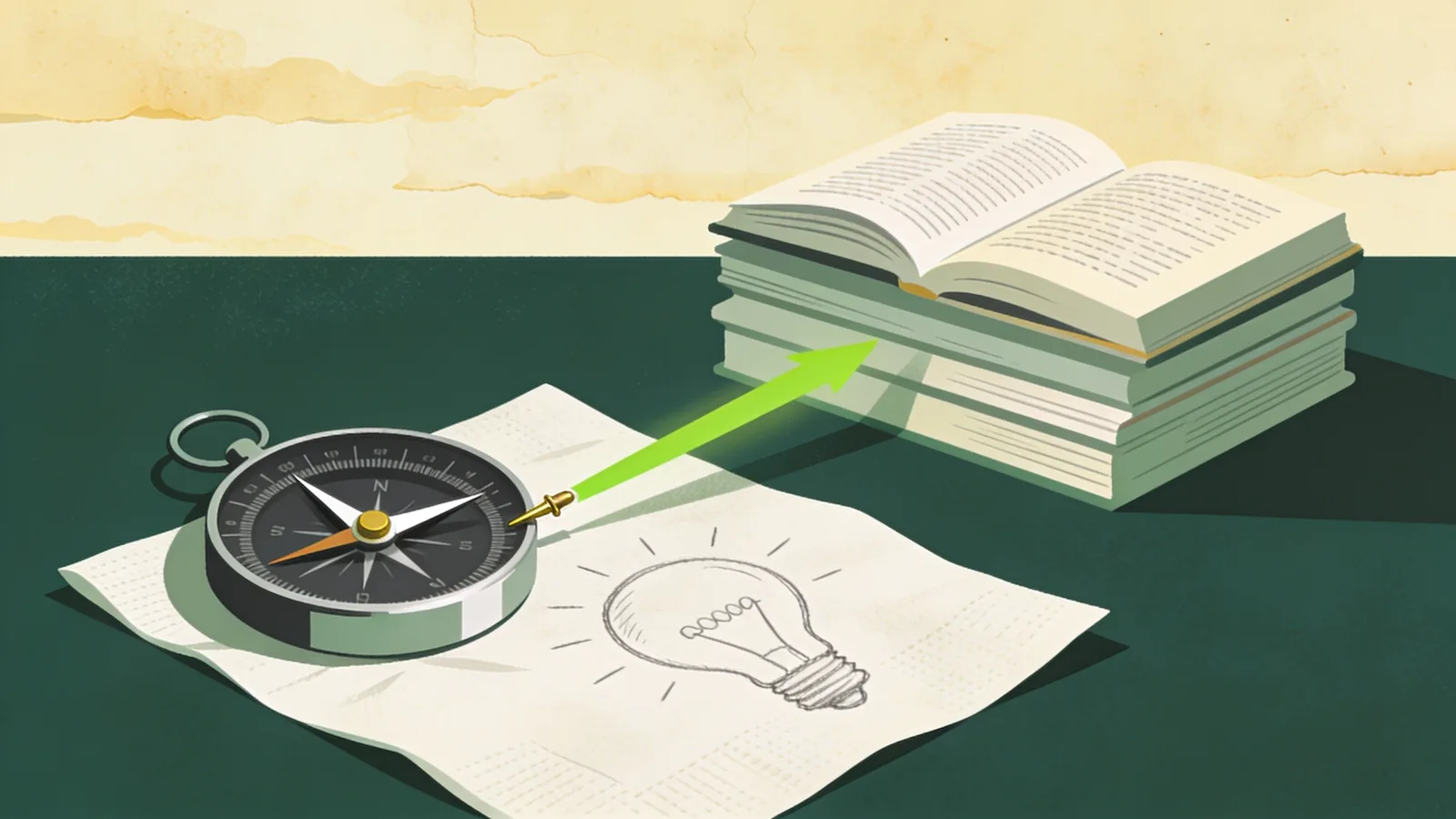
A good AI-generated strategy document should raise more precise questions than it answers. If it hands back only reassurance, it probably is not being rigorous enough. If it hands back a wall of caveats with no direction, it is not being useful enough. The right output sits in between: a clear read plus a list of things still worth checking.
Pair it with a search, not just a conversation
Strategy talk is cheap. What separates a real assessment from a pep talk is whether it includes an actual look at prior art and existing competitors, not just conceptual advice. This is the difference between a chatbot offering encouragement and a tool built specifically to search, cite sources, and produce a documented verdict. How EntreDash works lays out that process end to end, from a raw idea to a structured, cited report.
Know when you don't have an idea yet
Some readers get to this stage backward: they know they want to build something but do not have a specific concept locked in. In that case, the more useful starting point is not idea validation but idea generation. Spark is built for exactly that gap, turning an everyday frustration into concrete business directions worth testing.
The Bigger Pattern: Strategy Before Spending
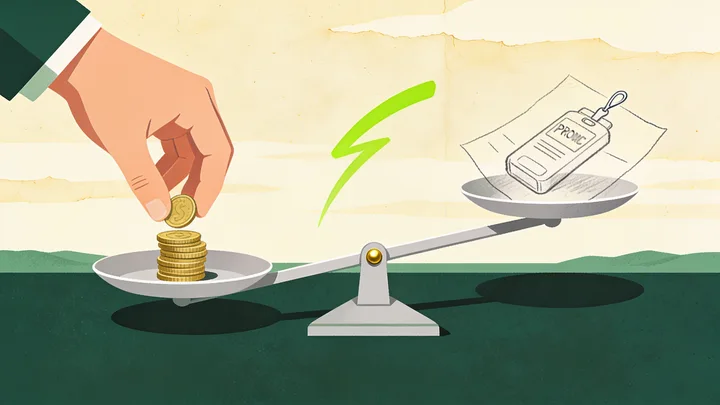
The founders who waste the least time and money are not necessarily the smartest ones. They are the ones who insist on evidence before commitment. An AI business strategist, used honestly, is one more way to gather that evidence quickly and cheaply, before a lawyer's hourly rate or a manufacturer's deposit is on the line.
This fits into a wider pattern covered in innovation tools for solo founders: most founders at zero to one do not need a large team or a large budget. They need a small number of tools that force clarity early, used in the right order.
Where This Fits in Your Process
An AI business strategist works best as one stage in a longer process, not a one-time chat. Idea, structured feedback, prior art search, financial check, then a decision about next steps. Skipping stages is how founders end up building for months on an idea that had an obvious flaw sitting in plain sight.
If you already have an idea and want a structured, cited read on where it stands, the free idea assessment walks through that process directly. If you want to go deeper into how the underlying search and reporting works before committing to anything, the plans page and IP Education Center are good next stops, with no pressure to decide today.
The goal is not to let a tool make the decision for you. It is to walk into that decision with a clearer picture than you had this morning.