Essay · August 15, 2026
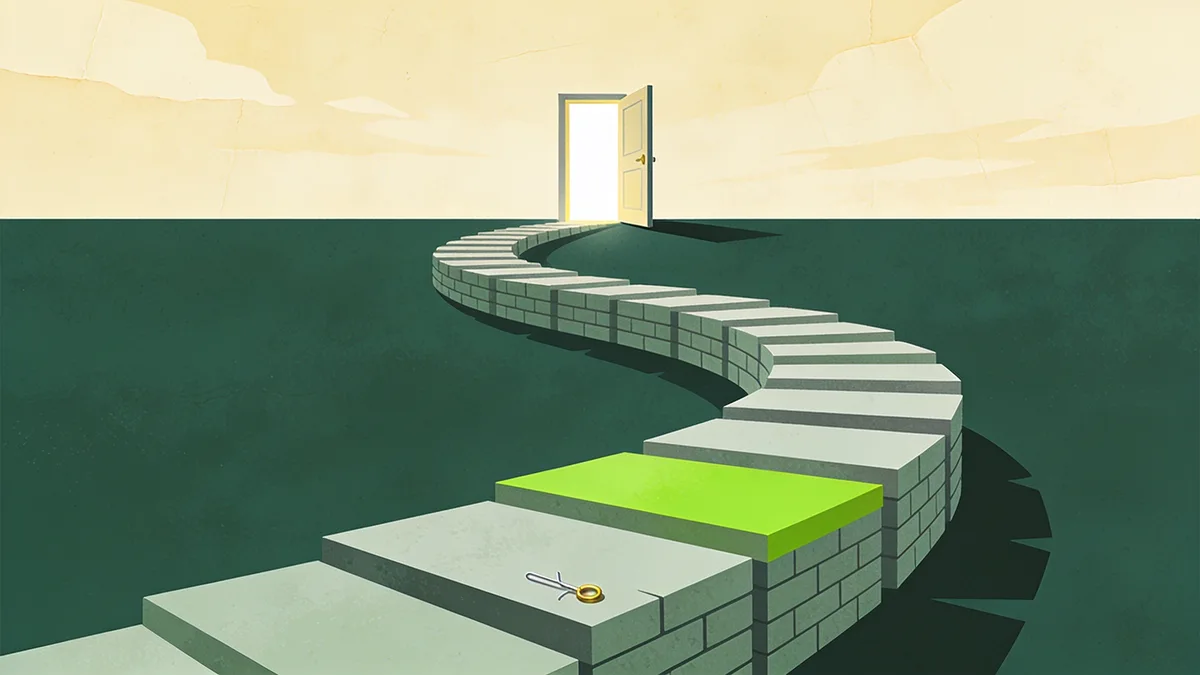
The Startup Development Roadmap Every First-Time Founder Actually Needs
A clear, step-by-step roadmap for turning a raw idea into a real business, in the right order, before you spend money you don't need to spend.
Plain-language writing on patents, prior art, and turning everyday ideas into real, protectable inventions. From EntreDash.
A clear, step-by-step roadmap for turning a raw idea into a real business, in the right order, before you spend money you don't need to spend.
AI tools can pressure test a startup idea fast, but they validate different things (demand, market, prior art) and none of them replace talking to real customers or a patent attorney.
The annoyances you complain about every day are often the clearest signal of a product worth building, if you know how to read them.

You can put real protection around a side project long before you talk to a lawyer or file anything, and most of it has nothing to do with a patent.
Before you spend a dollar on a mold or a prototype, you can find out whether real people will pay for your kitchen gadget idea using cheap, fast demand tests.
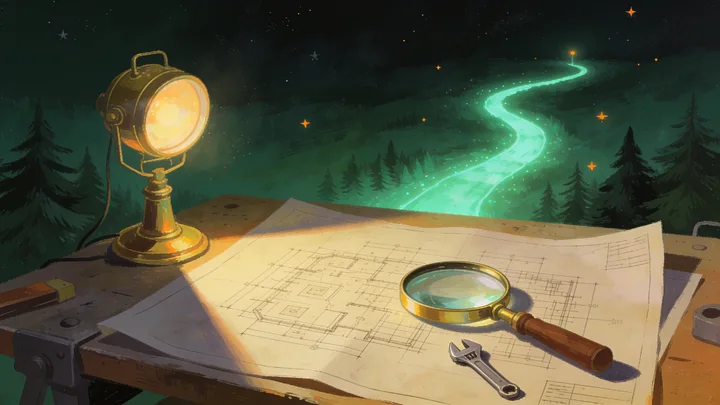
An honest look at what an AI tool can and can't do when you need to stress test an idea before spending real money on it.
The annoyance you notice every single day, the one everyone else has just learned to tolerate, is often the clearest signal of an unmet need worth building around.

For some inventions, keeping the method quiet works harder than any patent filing ever could.
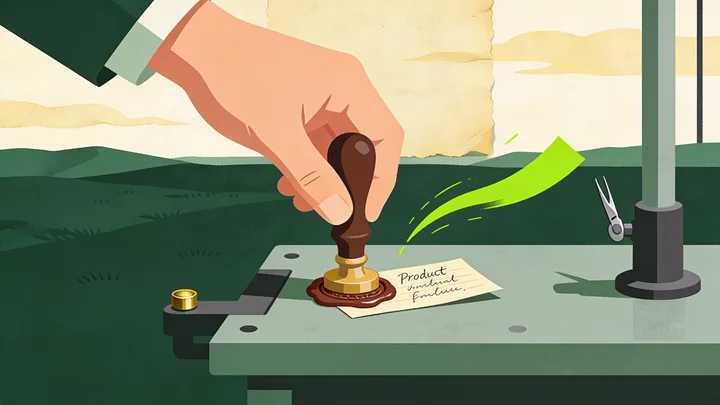
A plain-language walk-through of what trademarking a product name actually involves when you're doing it alone, without a legal team behind you.

Before you file anything, figure out whether your idea is really a patent question, a trademark question, a trade secret question, or all three at once.
Before you file anything for your kitchen gadget idea, understand what a trademark actually protects and what a trade secret protects, because they are not competing options, they are different tools for different parts of your business.
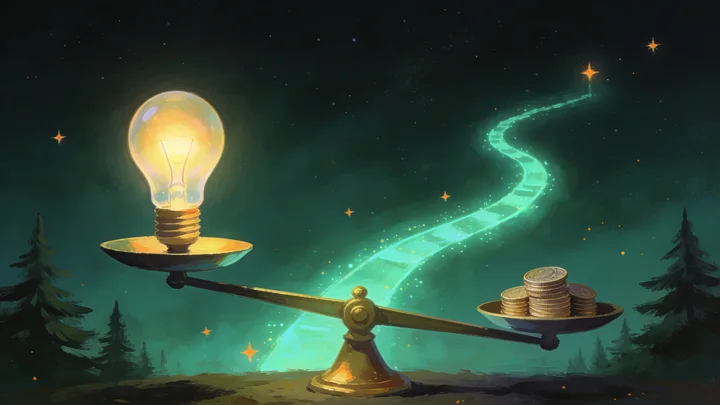
A practical guide to testing whether people actually want your invention before you spend on tooling, using a simple $50 experiment.
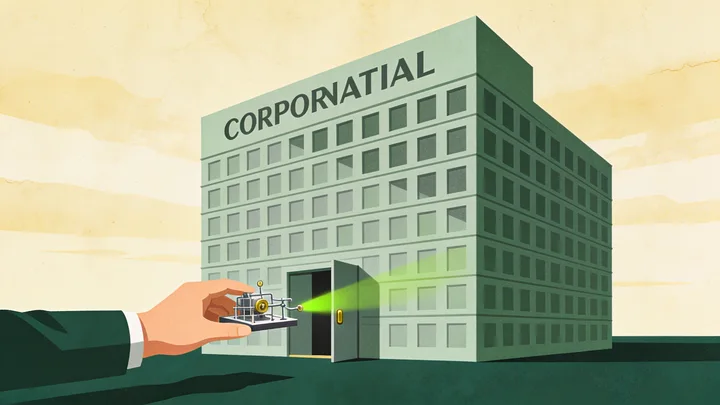
A clear-eyed look at what licensing really involves, long before any contract gets signed.
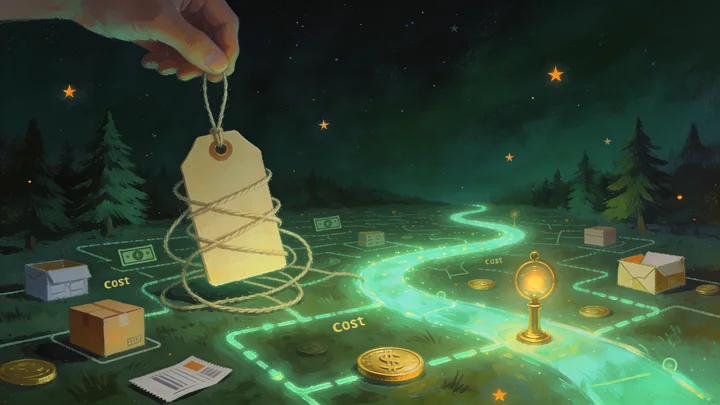
A practical guide to setting a price for your invention that covers real costs, respects your market, and leaves room to grow.
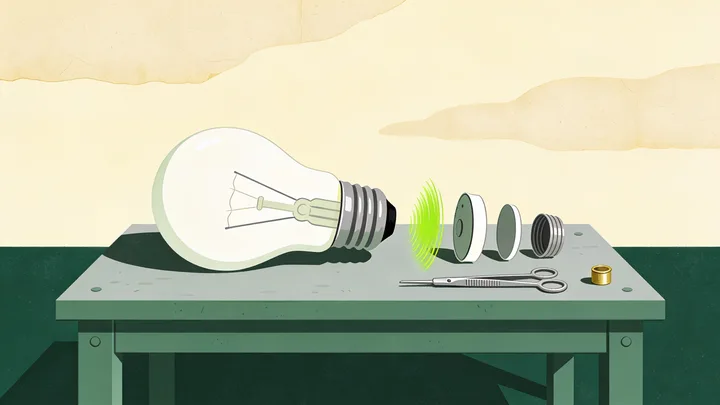
A practical method for taking a single idea apart, piece by piece, so you understand what you actually built before anyone else weighs in on it.
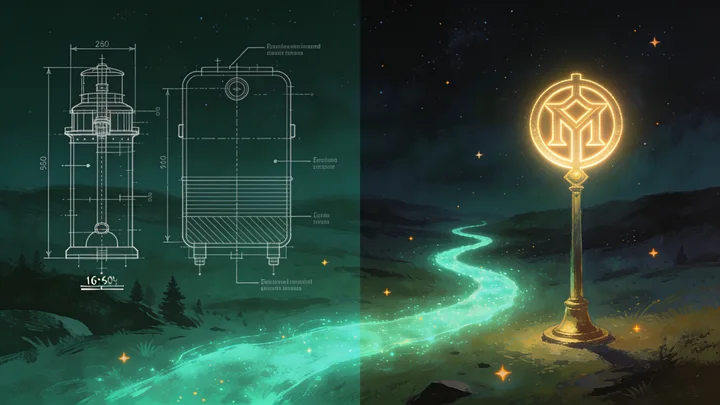
When your product's shape is part of what makes it recognizable, the choice between a design patent and trade dress protection depends on questions most engineers never think to ask.
Before you spend a dollar on tooling or prototypes, a small, cheap social test can tell you whether anyone actually wants what you're building.
A practical walk through what actually happens between a raw idea and a real, buildable invention, before a lawyer ever gets involved.
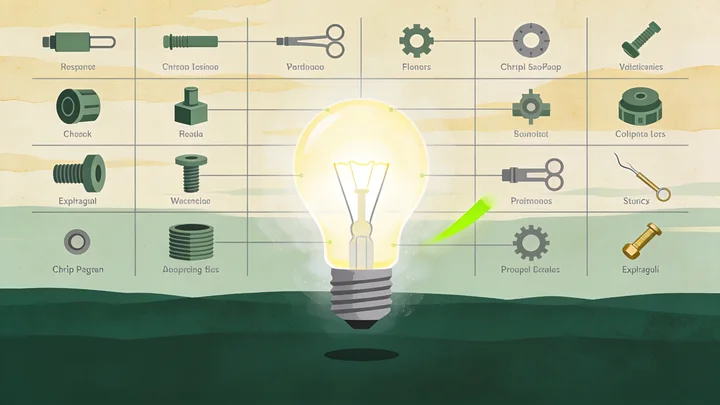
A practical guide to breaking down a raw idea into a real bill of materials, the step that turns a daydream into something you can build and eventually protect.

Before you spend a dollar on prototypes or patents, here is how to find out if your idea solves a problem people will pay to fix.
Before you call an attorney or build anything, there are a few clear-headed steps that turn a persistent idea into something you can actually evaluate.

When your product's edge is a process rather than a physical object, the choice between trademark and trade secret protection shapes everything that comes after.
A landing page can tell you more about whether people want your idea than a prototype ever will, and it costs a weekend, not a semester.

A plain breakdown of what a patent actually costs in money, time, and decisions before you ever sign with an attorney.
A plain-language look at what a provisional patent application does, what it does not do, and how to tell if your idea is far enough along to file one.
A practical, step-by-step way to search for prior art before you spend money on attorneys or prototypes.
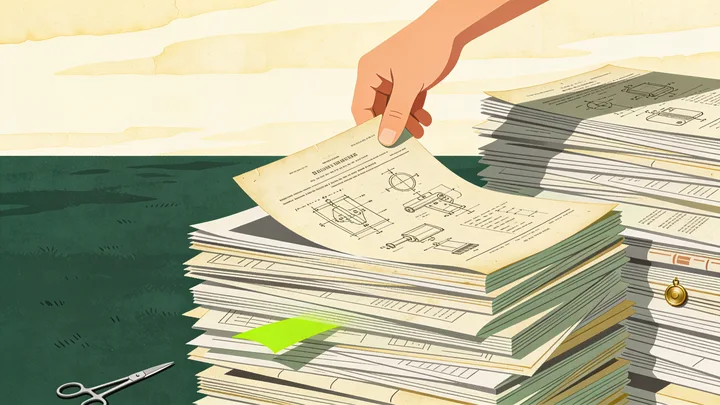
A practical, engineer-minded walkthrough of how to search prior art before filing, so you understand what you are building on top of before you spend money on a patent attorney.
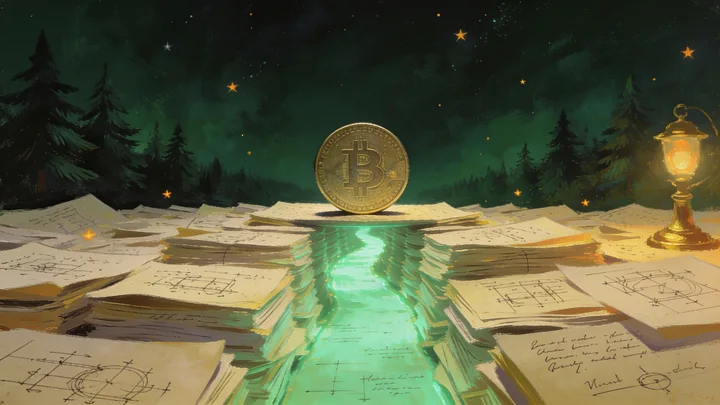
A plain-language look at what actually drives provisional patent costs in 2026, from filing fees to the hidden work that determines whether the filing is worth anything.
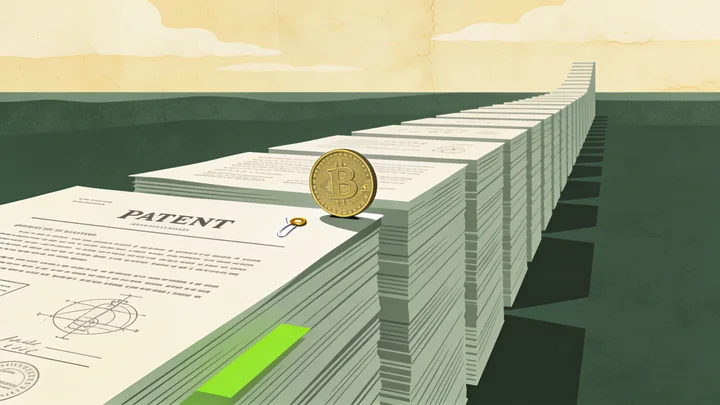
A clear-eyed breakdown of the actual costs behind getting a patent, from the fees nobody mentions to the timeline that catches most inventors off guard.

A practical, step-by-step way to search prior art on your own idea before you ever pay for a patent attorney's time.
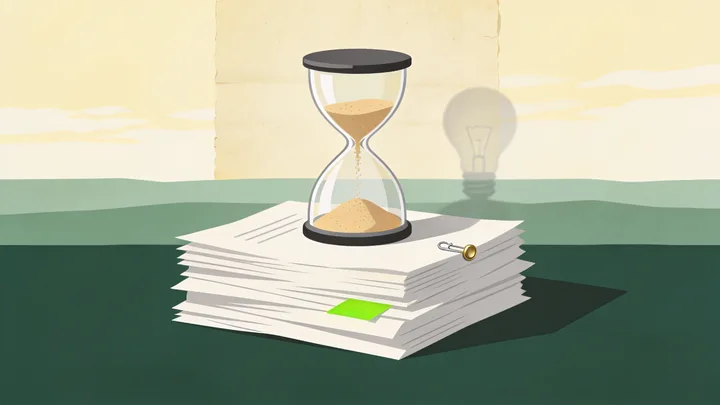
A provisional patent application buys you a year and a filing date, not a patent, and knowing the difference changes how you should use it.
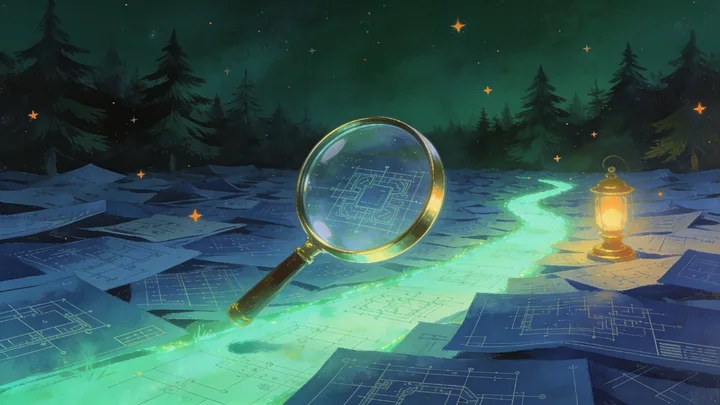
A step-by-step approach to searching prior art before you file, written for people who build things and want to think like an examiner before they need one.
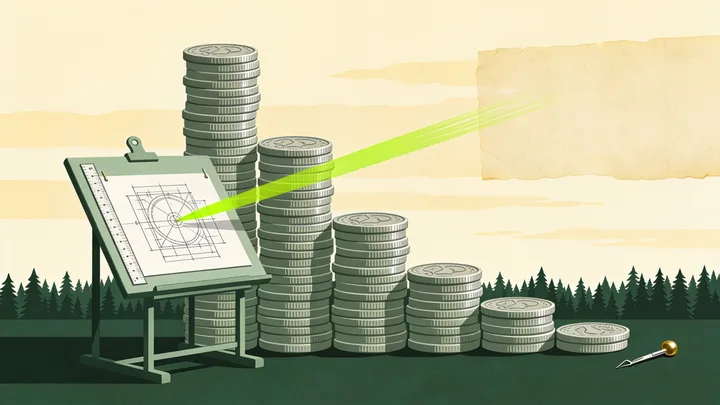
A clear-eyed look at what a provisional patent application actually costs in 2026, and where the money really goes.

A practical, step-by-step way to search prior art on your own before you ever sit down with a patent attorney.
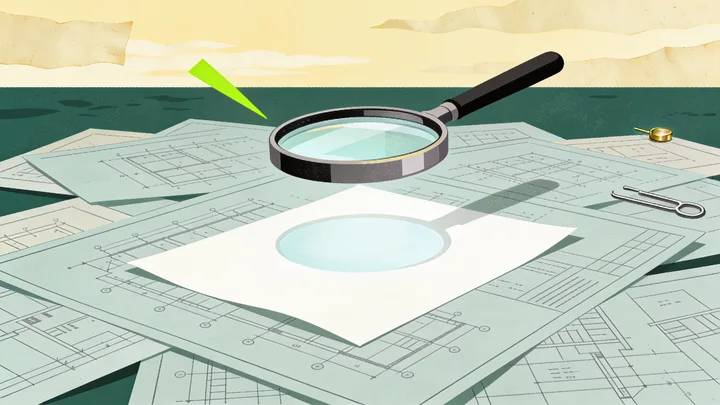
A practical, step-by-step way to search for prior art before you spend time or money building out an invention idea.

A practical guide walking first-time inventors through what they can legitimately do themselves before hiring a patent attorney, and how to use that early work to make any future legal conversation faster and cheaper.
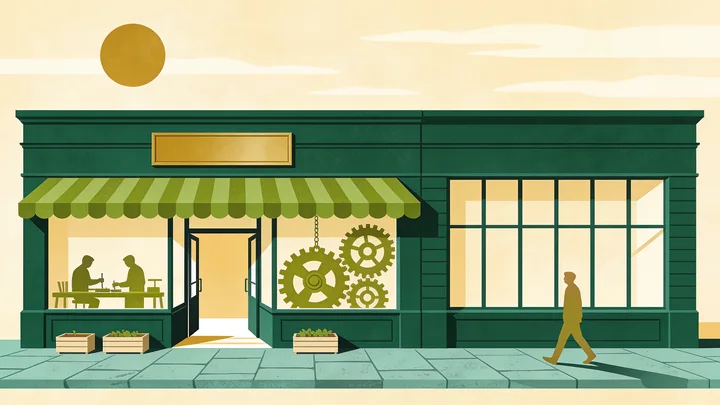
You have proven the need, the market, and the invention. The last stretch is the hardest to see clearly: turning a validated idea into a business that operates without living inside your head.

A plain-English walkthrough of the novelty, usefulness, non-obviousness, and prior art questions that shape whether an idea may qualify for a patent, designed to help inventors self-assess before spending money on legal help.
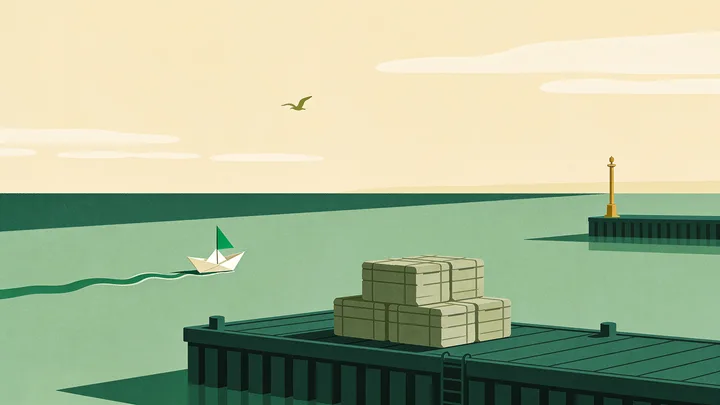
Quick iteration is not about building fast for its own sake. It is about designing the smallest possible test that answers your biggest open question, then running it before you commit.

An educational breakdown of what actually happens when you share an idea, how NDAs and provisional filings function, and what habits reduce real risk before an attorney gets involved.
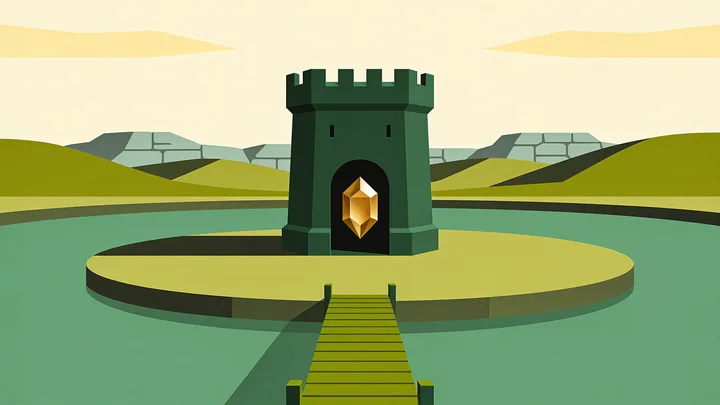
Most inventors treat the patent as paperwork filed after the product is done. IP-driven development flips that: let what is genuinely defensible shape what you build, so the product and the protection are the same thing.

A step-by-step orientation guide that walks a first-time inventor through validating, testing, learning IP language, and preparing an idea for filing without overwhelming them.
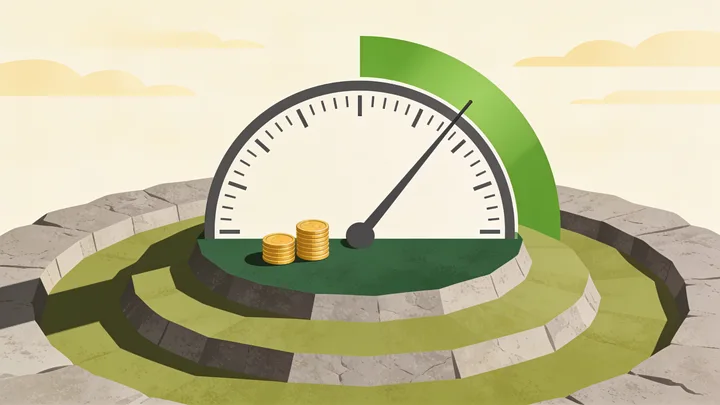
A real problem is necessary but not sufficient. Market viability asks the harder questions: how many people, how much they will pay, and whether the numbers add up to a business worth building.

A strategic guide for founders on sequencing patent filings, disclosure, and trade secret decisions around a fundraise so IP strengthens diligence instead of complicating it.
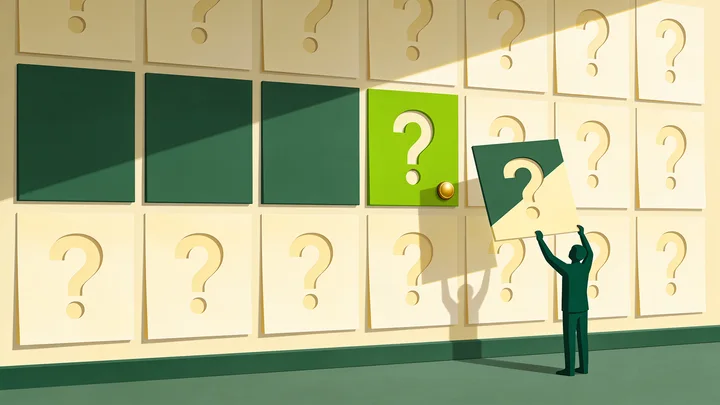
Every idea rests on hidden assumptions. Customer discovery is the practice of turning those assumptions into questions you can actually test, before you build the thing that depends on them.

An educational piece arguing that market-need validation should precede patent spending, with concrete frameworks for testing real demand versus polite interest before talking to an attorney.
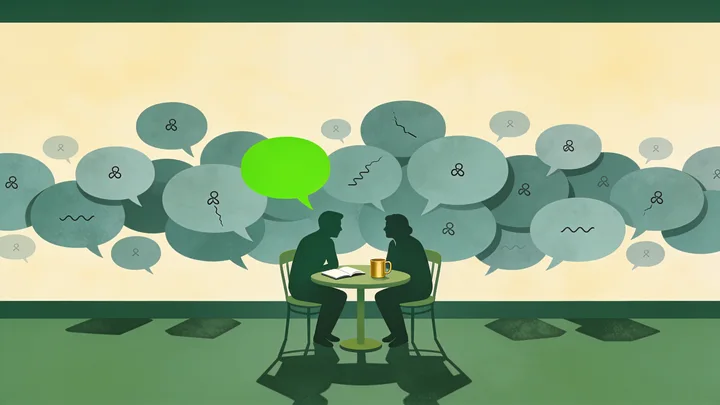
Needs discovery is the work of finding out whether a real problem exists before you commit to solving it. A plain-English guide to the first ten conversations that tell you the truth.

Turning a random idea into a real business is really four questions answered in the right order: is the need real, is it yours to claim, can you build it, and can it be a business. Here is the whole path.